
Last updated November 16, 2026
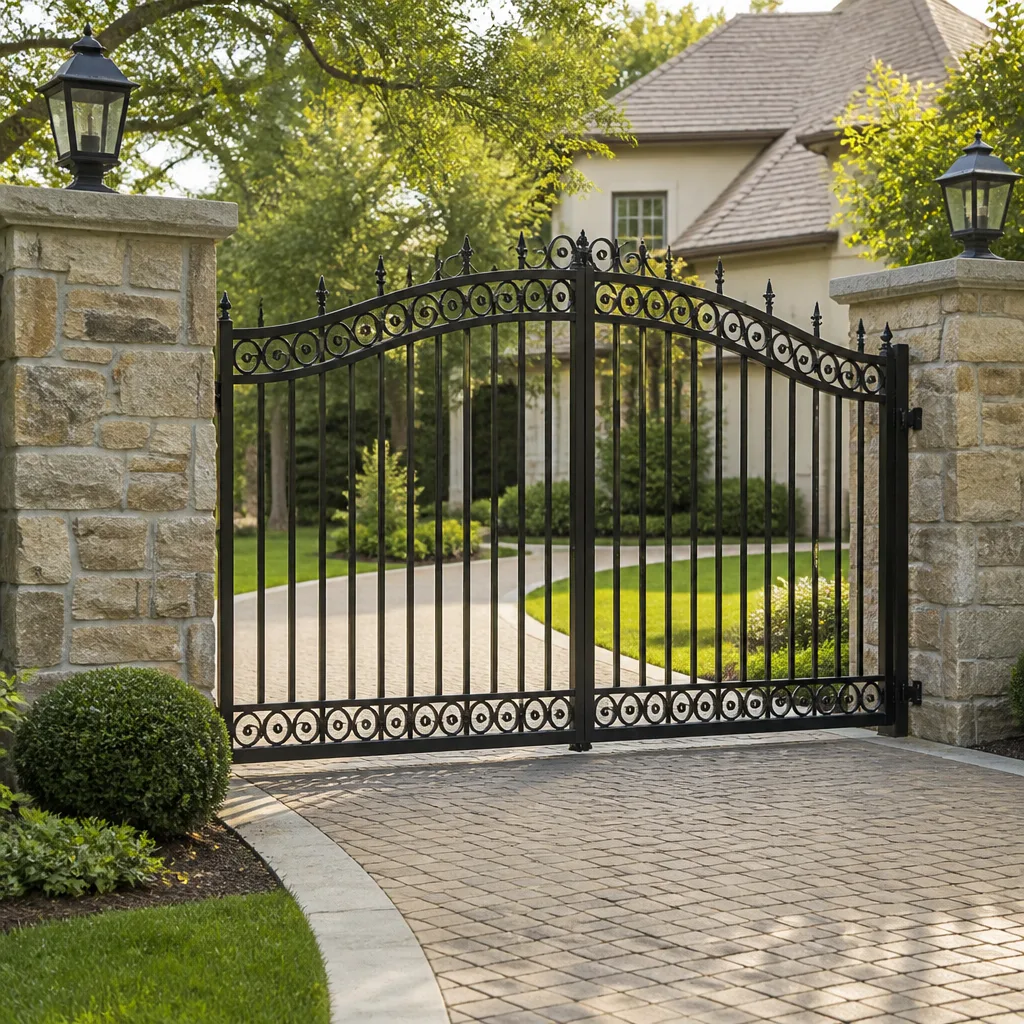 Wrought iron
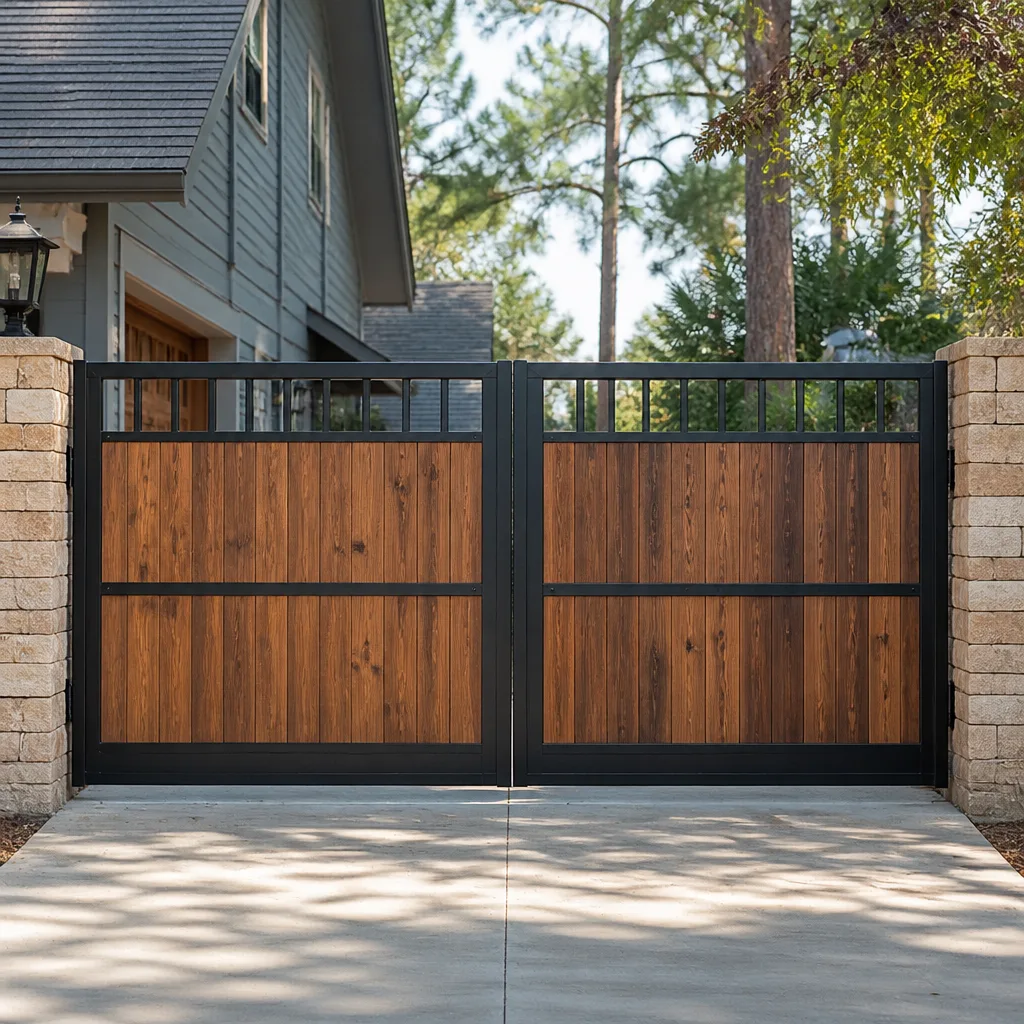 Wood & steel frame
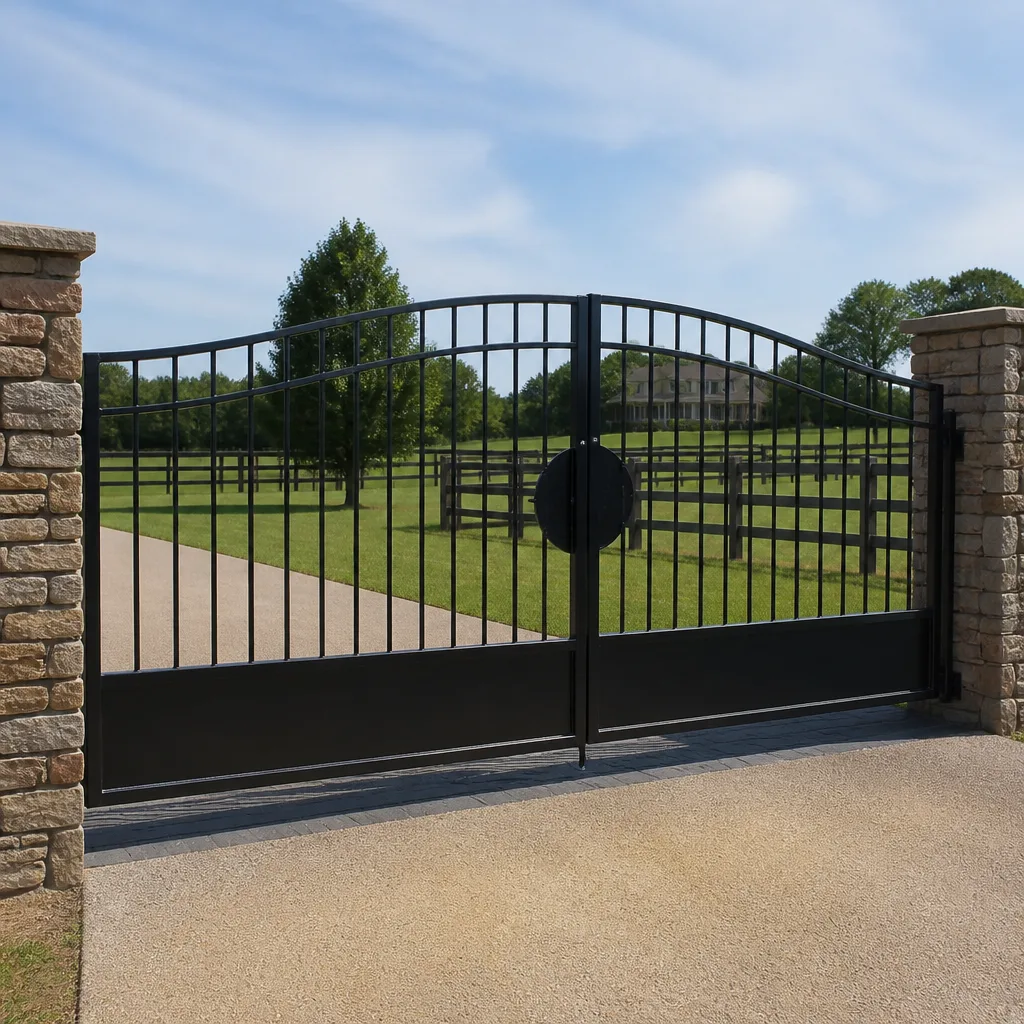 Farm & ranch
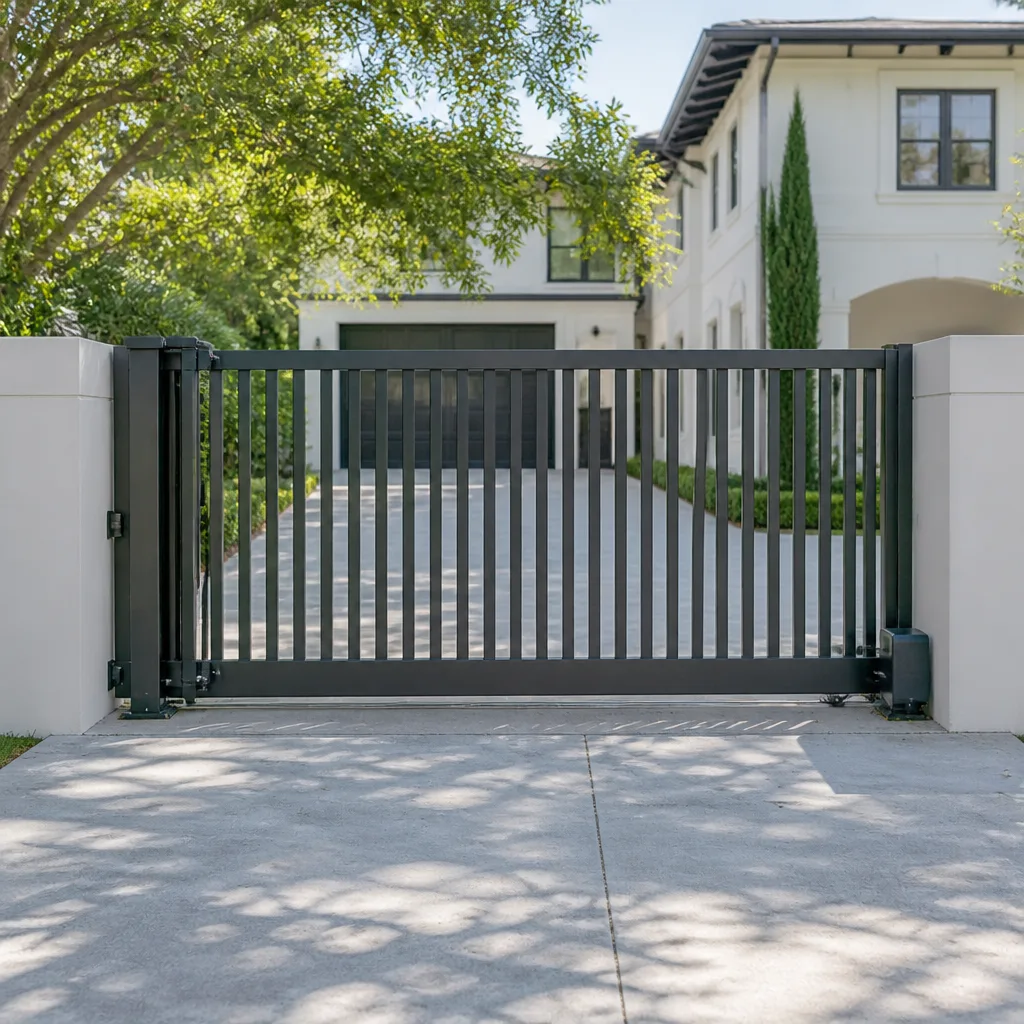 Sliding driveway gates
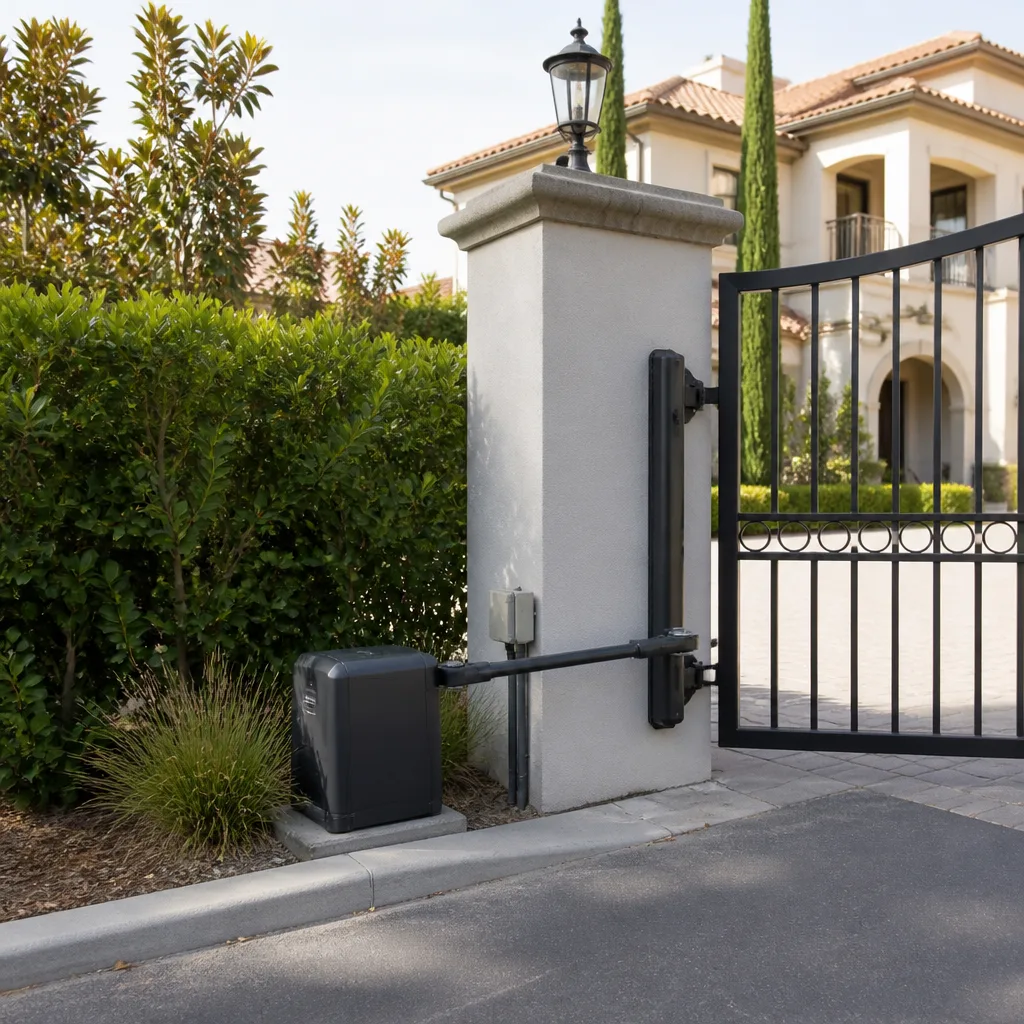 LiftMaster operators
Free on-site gate assessment - hinges, posts, and your LiftMaster or Nice gate operator checked before anything is quoted
The assessment is free and the quote is the invoice.
Get your free estimateHow to Hire a Gate Repair Contractor in Antioch: A Step-by-Step Guide
Here’s the mistake we see most often in Antioch: a homeowner calls a licensed general handyman, the handyman shows up with confidence and good intentions, and three weeks later the gate still doesn’t close because the wrong part got replaced. A valid contractor license proves someone is legal to work in their trade. It doesn’t prove they’ve ever diagnosed a loop detector fault, programmed a DoorKing entry system, or figured out why a LiftMaster operator runs for two seconds and stops. Gates combine mechanical hardware, low-voltage control wiring, and high-voltage power, and those three systems fail in ways that generalists misread. This guide walks you through the specific questions, licenses, and quote details that separate a real gate specialist from someone who learned gates last Tuesday.
Quick Answer
To hire a gate repair contractor in Antioch, ask three things before you book: what license class their work falls under, which gate brands and control systems they can actually diagnose (not just name), and what their written scope of work includes. A good contractor will answer all three without hesitation, quote you in writing before work starts, and explain how they reached their diagnosis. If any of those three answers is vague, keep calling.
Styles & brands we work with
- Wrought iron
- Wood & steel frame
- Farm & ranch
- Sliding driveway gates
- LiftMaster operators
Table of Contents
- Which License Does a Gate Contractor Need in Antioch?
- Five Diagnostic Questions Only a Real Gate Specialist Can Answer
- How to Verify They Actually Work on Your Brand
- What a Proper Written Scope of Work Should Include
- How to Read a Gate Repair Quote Without Getting Burned
- What’s Different About Hiring for a Gate in Antioch
- The Step-by-Step Hiring Process
- Common Mistakes to Avoid
Which License Does a Gate Contractor Need in Antioch?
There’s no single “gate repair” license, and that’s exactly why hiring gets confusing. Depending on what’s actually wrong with your gate, the work may fall under fencing, locks, electrical, or a combination. The license class should match the scope, not the other way around. A contractor who only handles metal or wood work shouldn’t be rewiring an operator, and an electrician who’s never opened an operator housing shouldn’t be guessing at the control board.
Here’s how the common license classes map to gate work in California:
- C-13 Fencing: Covers construction and repair of fences and gates, including the metal framework, hinges, posts, latches, and welding. This is the license that matches manual gate repair and the mechanical half of an automated gate. If your gate sags, sticks, or the frame is bent, this is the scope.
- D-28 Locks and Safes: Covers locksmith-type work, including some gate locking hardware, keypads, and access control hardware. A D-28 license holder can legitimately work on the keypad and lock side of a gate without touching the operator or the power feed.
- C-10 Electrical: Covers the electrical side of gate work, including the power circuit that feeds an operator, conduits, and low-voltage control wiring where it ties into the building’s electrical system. If a new operator needs a dedicated circuit run, or the existing power feed needs repair, a C-10 license is what you want to see.
The practical takeaway: most gate repair jobs can involve more than one of these. A gate that won’t open isn’t always “the gate.” It could be a failed operator (C-10 / operator specialist), a broken latch (C-13 or D-28), or a misprogrammed keypad (D-28 / access control). A gate specialist works with the whole picture and tells you which scope applies, rather than defaulting to whatever they’re licensed to bill for. For deep mechanical work, our gate repair service covers the full mechanical side. For operators and control systems, our electric gate repair service handles the electrical and automation scope.
Always ask a prospective contractor which license applies to your job and verify it through the California State License Board’s public lookup before any work starts. If they can’t explain it clearly, that’s your first answer.
Five Diagnostic Questions Only a Real Gate Specialist Can Answer
Anyone can say “yes, we work on gates.” The way to separate real experience from a confident beginner is to ask questions that require actual diagnostic reasoning. A specialist answers these in plain language, in a few sentences, without googling. A generalist stumbles, gives a generic answer, or says “we’ll figure it out when we get there.”
- “My gate stops halfway and reverses. What’s the most likely cause, and how would you check it?” A real specialist will talk about the difference between an obstruction (something in the path), a limit switch or travel-setting issue, a safety edge or photo-eye fault, and a failing control board. They’ll tell you which checks come first because they’re cheapest and most likely. Someone guessing will say “probably the motor” and move on.
- “How do you test whether a loop detector is failing versus whether it’s a wiring problem?” Vehicle loop detectors are one of the most misdiagnosed parts of commercial gate systems. A specialist will describe checking the detector’s relay and indicator behavior, testing for continuity in the loop lead-in wire, and how a ground or splice issue can mimic a failed detector. If they shrug at “loop detector,” they haven’t worked on enough automated gate systems.
- “What brand of operator do you see most often, and what’s a known quirk of it?” This is the fastest filter. Every experienced technician has strong opinions about how LiftMaster, FAAC, BFT, Linear, Viking, Ghost Controls, DoorKing, Elite, and Mighty Mule behave in the field. If they can’t name any specific quirks, they haven’t touched enough of them.
- “What’s your process for testing a safety edge or photo-eye after a repair?” Safety devices are the part most often skipped. A specialist will describe actually blocking the beam, walking through the path, and confirming the operator reverses as designed. Someone who says “yeah, we check it” without describing the test isn’t checking it.
- “When a control board fails, do you replace the board or the whole operator?” This reveals whether they diagnose or upsell. Boards are often replaceable independently of the operator, batteries, and motors. A specialist explains when a board is the right fix and when the operator is genuinely at end of life.
You don’t need to be a technician to ask these. You just need to listen for whether the answers are specific or rehearsed.
How to Verify They Actually Work on Your Brand
“We service all brands” is a claim anyone can make. The real question is whether they stock the parts or plan to order them, because that’s the difference between a same-day repair and a three-week wait while your gate sits open.
Start by finding your operator’s make and model. It’s usually on a label inside or on the operator housing, on the control box, or on the arm. Write it down before you call. Then ask the contractor specific questions about their familiarity:
- Which brands do they regularly see in the field? Listen for real brand names, not “everything.” A specialist will mention specifics like LiftMaster, FAAC, or BFT naturally because those are what fail in front of them.
- Do they keep common failure parts in stock for your brand, or will they order? Be specific: ask about control boards, batteries, limit switches, safety sensors, and fobs for your model.
- How long does it typically take to get a part for your model if it isn’t on hand? You want a real answer, not “should be quick.”
- Have they worked on this specific model before? Ask them to describe a common issue it has. If they can’t, they’ll be diagnosing from scratch on your time.
One thing to be clear about: no company keeps every part for every gate operator on a truck. Some parts must be ordered. The honest specialist tells you which parts they can handle on the first visit and which require a wait, and they give you a written estimate either way. Our approach at Gate Repair Antioch is to diagnose first and tell you exactly what we’re dealing with before we touch a part, whether it’s a Mighty Mule arm that’s given up or a DoorKing entry system with a control board fault.
What a Proper Written Scope of Work Should Include
A written scope of work for gate repair is more than a single line item. If your quote says “repair gate” and lists a price, that’s not a scope, that’s a vibe. A proper scope documents what’s being fixed, what’s excluded, and what will be required if the diagnosis turns out to be different from what was assumed during the estimate.
A complete written scope should include:
- The diagnosis in plain language: what the technician believes is failing and how they tested it.
- The specific parts and labor being replaced or repaired: brand, part type, and quantity where relevant.
- The tests that will confirm the fix: for example, cycling the gate multiple times, testing safety devices, and confirming travel limits.
- The pricing: broken out clearly, with a stated total. The written estimate is what sets the final price.
- The exclusions: anything not covered, such as power at the outlet, the condition of the gate frame, or parts outside the diagnosed failure.
- The warranty or follow-up terms: if the contractor offers one, it should be in writing. If they don’t, that should also be stated.
Three things are commonly left out of gate repair scopes and cause disputes later:
- The power source. Nothing states who is responsible for confirming there’s a working outlet, breaker, or dedicated circuit for an operator. If the outlet is dead or shared, the repair can stall.
- The safety devices. Photo-eyes, safety edges, and loop detectors aren’t listed as tested or replaced, so when one fails a week after the operator is fixed, nobody knows who owns it.
- The gate’s mechanical condition. An operator is only as good as the gate it moves. If the hinges or rollers are binding, a fresh operator will fail the same way the last one did. A proper scope calls out mechanical condition even when the repair is electrical.
If you’re looking at a new installation rather than a repair, the scope gets bigger, and you want a contractor who handles both the mechanical and the automation side so you’re not coordinating two vendors. Ask any installer how they’ll handle power, safety edges, and any permit the city requires. On the permit question, it’s general: most cities require permits for structural gate work and electrical work, so ask the City of Antioch’s building department directly what applies to your project, and ask the contractor how they handle permitting.
How to Read a Gate Repair Quote Without Getting Burned
“Diagnostic fee waived with repair” sounds like a favor. It’s usually a pressure tactic. What it does is put a financial penalty on walking away from a bad diagnosis. If a contractor already knows their diagnosis might be wrong, but you’ve been told the diagnostic fee only disappears if you say yes to their repair, you’re more likely to approve a repair you don’t need.
Here’s how to think through a gate repair quote:
- Ask for the diagnosis in writing. A quote that just says “replace control board” without the tests that led to that conclusion isn’t a diagnosis. You want to know what was tested and what the result was.
- Don’t be rushed by a waived fee. If a contractor won’t give you their diagnosis without a deposit, or offers a discount only if you approve the repair on the spot, ask for the diagnosis and the quote in writing and take a day to think.
- Ask what happens if the fix doesn’t work. A quote should include what they’ll do if the repair is done and the gate still misbehaves. A specialist will have an answer, usually involving a return visit at their cost if their diagnosis was wrong.
- Compare like with like. If two quotes differ wildly, it usually means one is diagnosing the wrong part. Ask each contractor which tests they ran and what they found. The honest answer is often identical across real specialists.
- Beware the “replace the whole operator” quote on a young system. Some failures (control boards, batteries, safety sensors, keypads) are separate components. If a contractor jumps straight to replacing the full operator without testing the pieces, ask why.
For a broader look at how gate repair pricing gets structured, ask each contractor how they price the diagnosis separately from the repair. The written estimate you agree to before work starts is the number that should appear on your invoice.
What’s Different About Hiring for a Gate in Antioch
Antioch’s climate is mild enough that gate hardware doesn’t face the extremes some parts of the country deal with, which actually shifts the maintenance conversation. Instead of worrying about a hard freeze splitting a post or salt air eating through hardware, the local failure points tend to be dust in the tracks, sun exposure on operator housings and plastic components, and the wear that comes from gates that get cycled many times a day.
For residential gates in Antioch neighborhoods, sliding gates tend to collect dust and yard debris in the track, which stresses the operator and can trip the safety reverse as the gate binds. Swing gates with light-duty operators like a Mighty Mule are common, and they tend to be the most sensitive to the condition of the hinges and posts. For commercial properties and HOA common gates, rolling gates and heavy sliding gates with higher-cycle operators see far more use, and their failure modes skew toward limit switches, loop detectors, and control board wear rather than mechanical hardware.
The right hire depends on your property type and gate style, not just the brand. If you’re a homeowner with a single swing gate and a Mighty Mule or LiftMaster operator, you want a contractor who can diagnose the operator and assess the mechanical condition of the gate as one piece of work. If you manage a commercial property or HOA gate with a DoorKing entry system, a loop detector-controlled rolling gate, or an access control setup, you want someone experienced with control logic, safety devices, and heavier-duty operators. In Antioch, some gates sit on older lots with electrical setups that need a careful look before anyone replaces an operator; ask any contractor how they confirm the power feed before recommending a repair.
None of this means you need a different contractor for every property type. It means you should ask a contractor to describe the specific gate and property configurations they work on and listen for whether they understand the difference between a light residential swing gate and a commercial rolling gate.
The Step-by-Step Hiring Process
Here’s the sequence we recommend for hiring a gate repair contractor in Antioch, in order, from first search to signed scope. It’s designed so that a bad fit gets filtered out before anyone touches your gate or your wallet.
- Identify your gate and operator first. Before you call anyone, find the make and model of your gate operator and note whether your gate is manual, automated, sliding, or swinging. This 10-minute task makes everything that follows faster and lets you ask real questions instead of vague ones.
- Ask which license class applies to your job. Get the answer in plain language: C-13 fencing for mechanical and frame work, D-28 for locks and keypads, C-10 for the power feed and control wiring. Verify through the CSLB public lookup.
- Ask the diagnostic questions. Use the five questions above. You’re listening for whether the answers are specific and reasoned, not whether they sound confident.
- Ask about their experience with your brand. Find out whether they work on your specific operator regularly, what parts they might need to order, and how long a typical repair takes on your type of gate.
- Get the diagnosis and a written scope of work. Do not accept a verbal-only diagnosis. Ask for the diagnosis, the parts, the tests they’ll run, the exclusions, and the price in writing.
- Confirm the price is agreed before work starts. The written estimate sets the final price. Anything that comes up during the job that wasn’t in the scope should get your approval in writing before the work continues.
- Test the fix with the technician before they leave. Walk the gate through a full cycle. Test the photo-eyes or safety edge by hand. Confirm the gate reverses as designed. If the gate is automated, cycle it several times and listen for new sounds.
If a contractor can’t walk you through these steps, or gets defensive when you ask, that’s your answer. A specialist will welcome every question because it’s how they demonstrate what they know. For an operator or control board problem where diagnosis is the hard part, the right call is a company that diagnoses first and fixes second.
Common Mistakes to Avoid
We’ve watched enough gate hires go sideways in Antioch to see the same patterns repeat. Here are the biggest ones.
- Hiring a licensed handyman for electrical gate work. A handyman can hold a license and still have no idea how a loop detector or a DoorKing control board works. Licensing is a starting filter, not a diagnostic credential.
- Calling a locksmith for a mechanical gate problem. A D-28 lock specialist is the right call for the keypad and the lock, but a sagging gate, a broken hinge, or a bent frame is a fencing scope, not a locksmith scope.
- Approving a diagnosis you don’t understand. If a contractor can’t explain in plain English why your gate failed and how they know, don’t approve the repair. Ask for the reasoning and the test results in writing.
- Taking a “waived diagnostic fee” at face value. The waived fee is a discount only if you accept the diagnosis. If you walk away, you may still owe for the diagnosis, or worse, you’ve been rushed into the wrong repair.
- Skipping the safety device test. Photo-eyes and safety edges protect people and property. If your technician doesn’t test them after a repair, the gate can be technically functional and still dangerous.
- Choosing the cheapest quote without comparing scopes. Two quotes that differ by hundreds of dollars on identical work usually means one contractor is diagnosing the wrong part or skipping a step. Compare the diagnosis, not just the total.
- Forgetting the mechanical side of the gate. A new operator on a binding gate just wears out faster. Ask any electric gate repair contractor what they check on the gate’s hardware, not just the operator.
See the difference
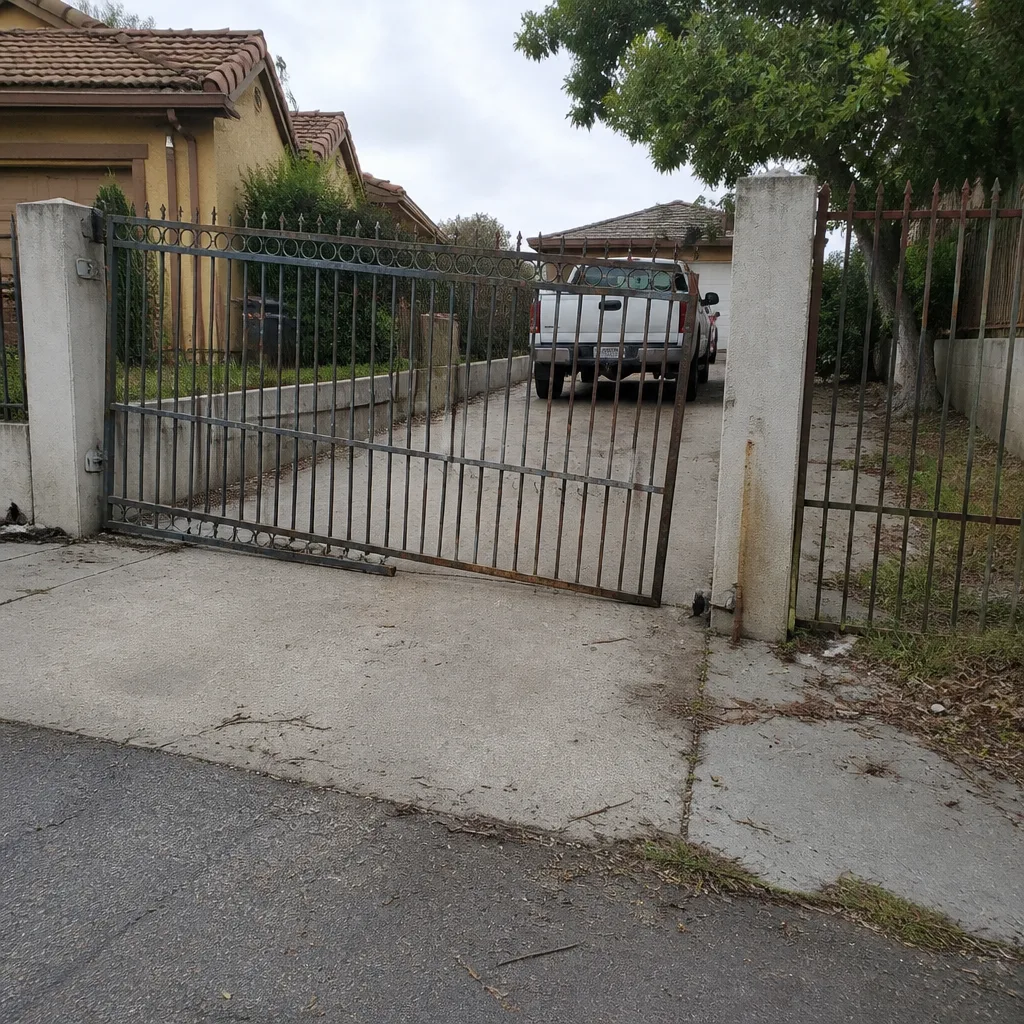 Before
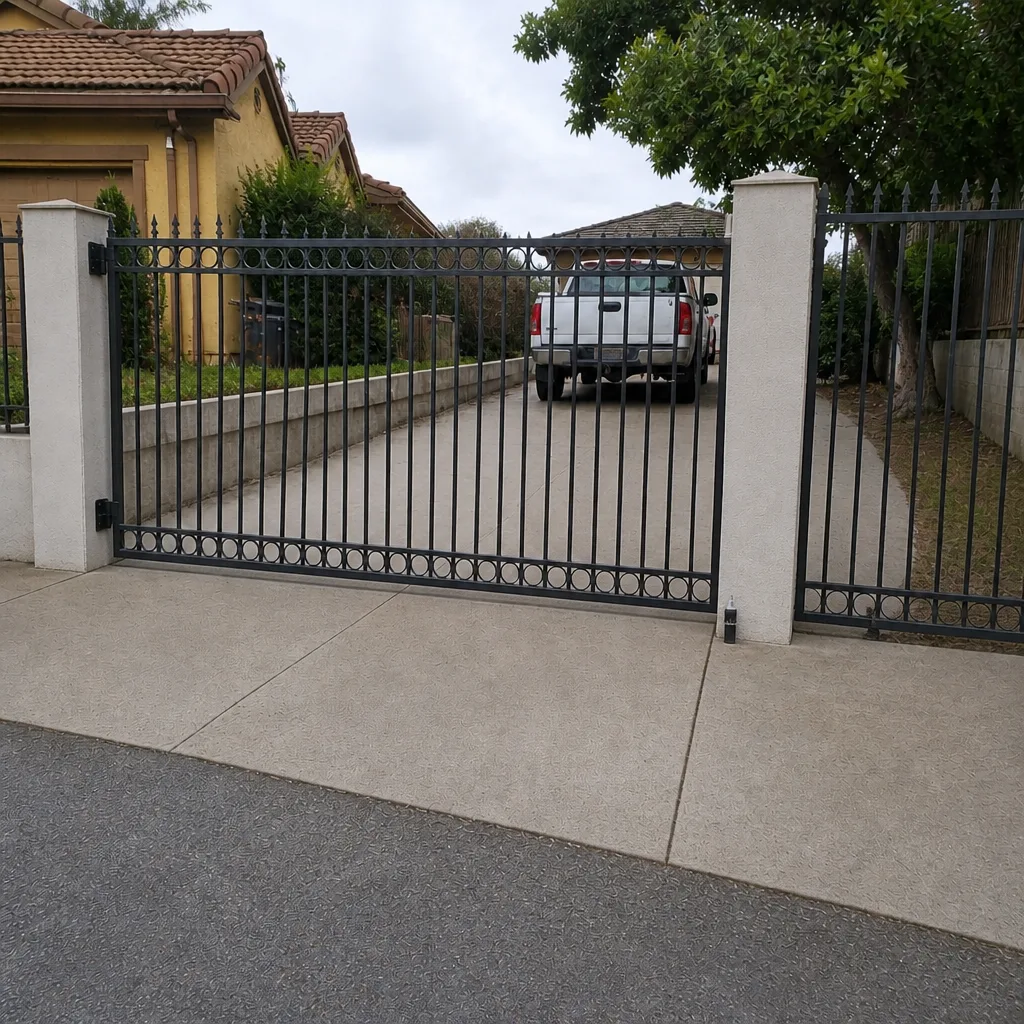 After
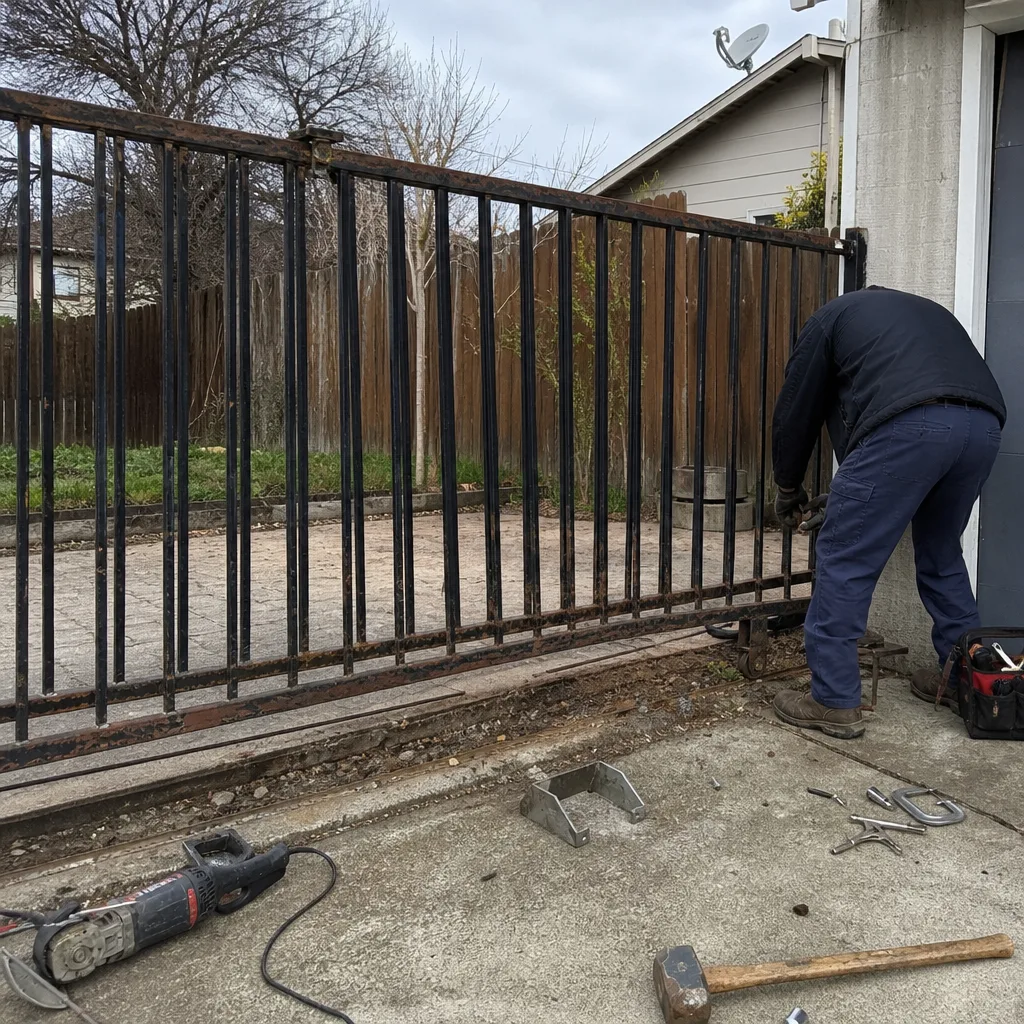 Before
 After
 Before
 After
When to Call a Professional
Some gate problems are best handled before they become failures. If your gate reverses partway through travel, stops before it’s fully closed, runs for a few seconds and quits, or the remote works intermittently, get a technician on site before the problem becomes a dead gate. If your gate has a broken hinge, a bent frame, or is sagging and dragging on the ground, that’s a mechanical scope. If a rising post or shifting footing is twisting the gate out of alignment, don’t try to force the gate back and forth; that’s a job for someone who can properly diagnose the alignment.
Anything involving the power feed to an operator should be handled by a licensed professional. Low-voltage control wiring, dedicated electrical circuits, and control board replacements all sit on the electrical side of the trade. Don’t open the operator housing or a control box yourself; there’s live voltage inside on many systems, and a mistake there can cause injury or make the failure worse.
Gate Repair Antioch offers free estimates in Antioch. Call (855) 799-8573. We answer 24/7. Fast dispatch from 7am to 7pm, Sunday through Friday.
Frequently Asked Questions
Ask three things: which license class their work falls under, which operator brands they can actually diagnose, and what their written scope includes. A qualified contractor answers all three specifically, gives you a written diagnosis before work starts, and explains how they reached it. Verify the license through the CSLB lookup, and don’t accept “we work on everything” as an answer about brands. Call (855) 799-8573 for a free estimate.
It depends on the scope. A locksmith (D-28) handles keypads, locks, and access hardware. An electrician (C-10) handles the power feed and electrical control connections. A fencing contractor (C-13) handles the frame, hinges, posts, and welding. Many gate repairs touch more than one scope. The right contractor either covers the full scope or tells you which specialists are needed. Our technicians have up to 11 years of experience working across the mechanical and electrical sides of gate systems. Call (855) 799-8573 for a free estimate.
A written scope should include the diagnosis in plain language, the specific parts and labor being performed, the tests that will confirm the fix, the price, the exclusions, and the warranty terms if any. Three things commonly left out and worth asking about: the power source condition, the safety device testing, and the gate’s mechanical condition. Get the written estimate before work starts. Call (855) 799-8573 for a free estimate.
Ask which brands they see regularly in the field, what parts they can handle on the first visit for your brand, and how long it takes to order something they don’t have on hand. Listen for specific brand names and specific model knowledge, not “everything.” Our team works on LiftMaster, FAAC, BFT, Linear, Viking, Ghost Controls, DoorKing, Elite, and Mighty Mule systems. Call (855) 799-8573 for a free estimate.
The biggest red flag is “diagnostic fee waived with repair.” It pressures you to approve a repair you may not need, because walking away means paying for the diagnosis. A better structure is a written diagnosis and a separate written repair estimate, with the price agreed before work starts. If a contractor won’t give you the diagnosis in writing, that’s a red flag too. Call (855) 799-8573 for a free estimate.
Usually, no. Electric gates combine power wiring, control boards, safety devices, and operator mechanics, and a general handyman may not have the diagnostic experience to separate those systems. A handyman might be a fine fit for a purely cosmetic repair on a manual gate. For automated systems, or anything involving the power feed, ask for a contractor with gate operator and electrical experience. Call (855) 799-8573 for a free estimate.
The Bottom Line
The right gate repair contractor in Antioch is not always the one with the broadest license or the cheapest quote. It’s the one who can diagnose the specific gate you have, whether that’s an older Mighty Mule swing gate or a commercial DoorKing entry system, and explain their reasoning in writing. Ask for the license class that matches your scope, the diagnostic answers that only a real specialist can give, and a written scope with the diagnosis, the tests, the exclusions, and the price agreed before work starts. Skip the waived-fee pressure, verify brand experience, and confirm safety devices get tested. One call covers the mechanical and electrical sides, so you’re not coordinating vendors while your gate sits broken. Free estimates, written before work starts, are the standard to expect.
Gate Repair Antioch offers free estimates for both residential and commercial gate systems across Antioch. Call (855) 799-8573. We answer 24/7. Fast dispatch from 7am to 7pm, Sunday through Friday. Whether you’re facing a mechanical repair on a manual gate or a diagnostic on a failed operator, one call covers it. We’ll tell you what your gate actually needs before we touch a part.
Written by the team at Gate Repair Antioch.