
Last updated November 16, 2026
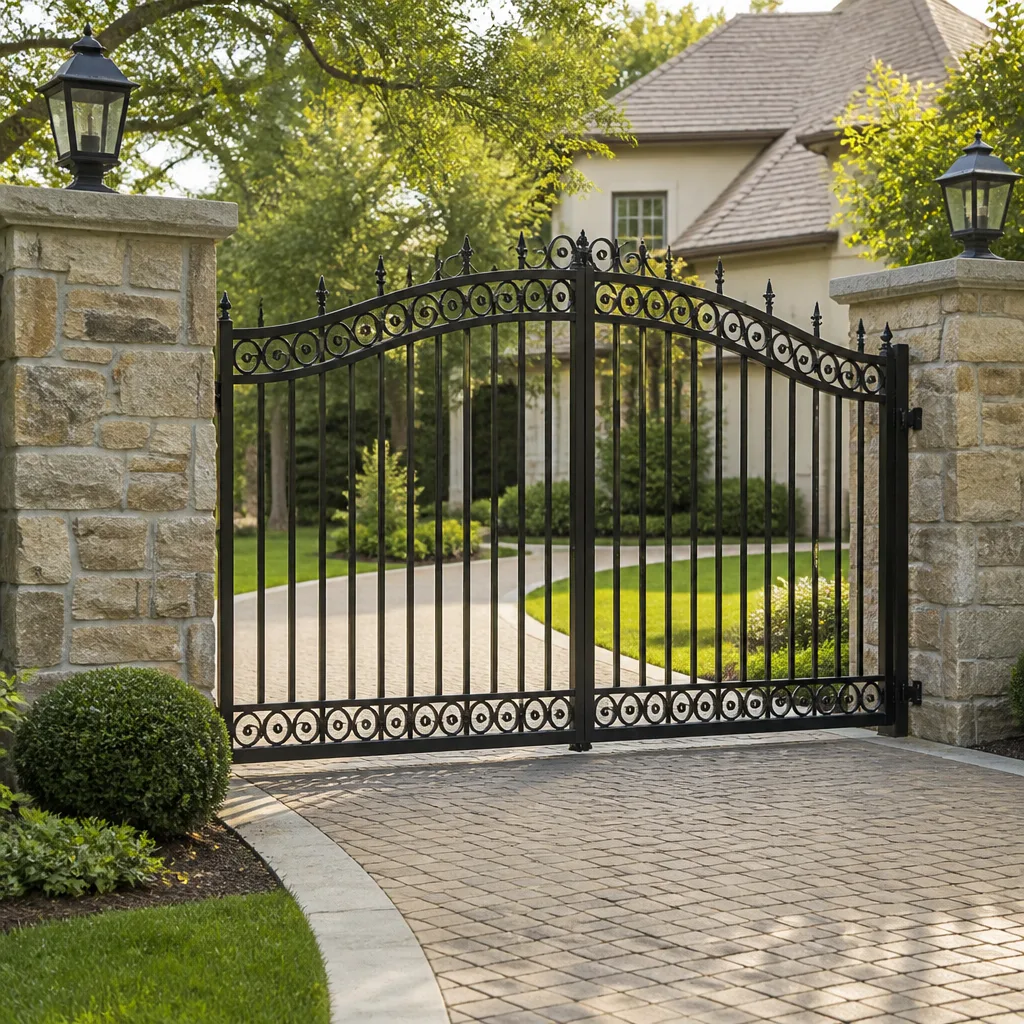 Wrought iron
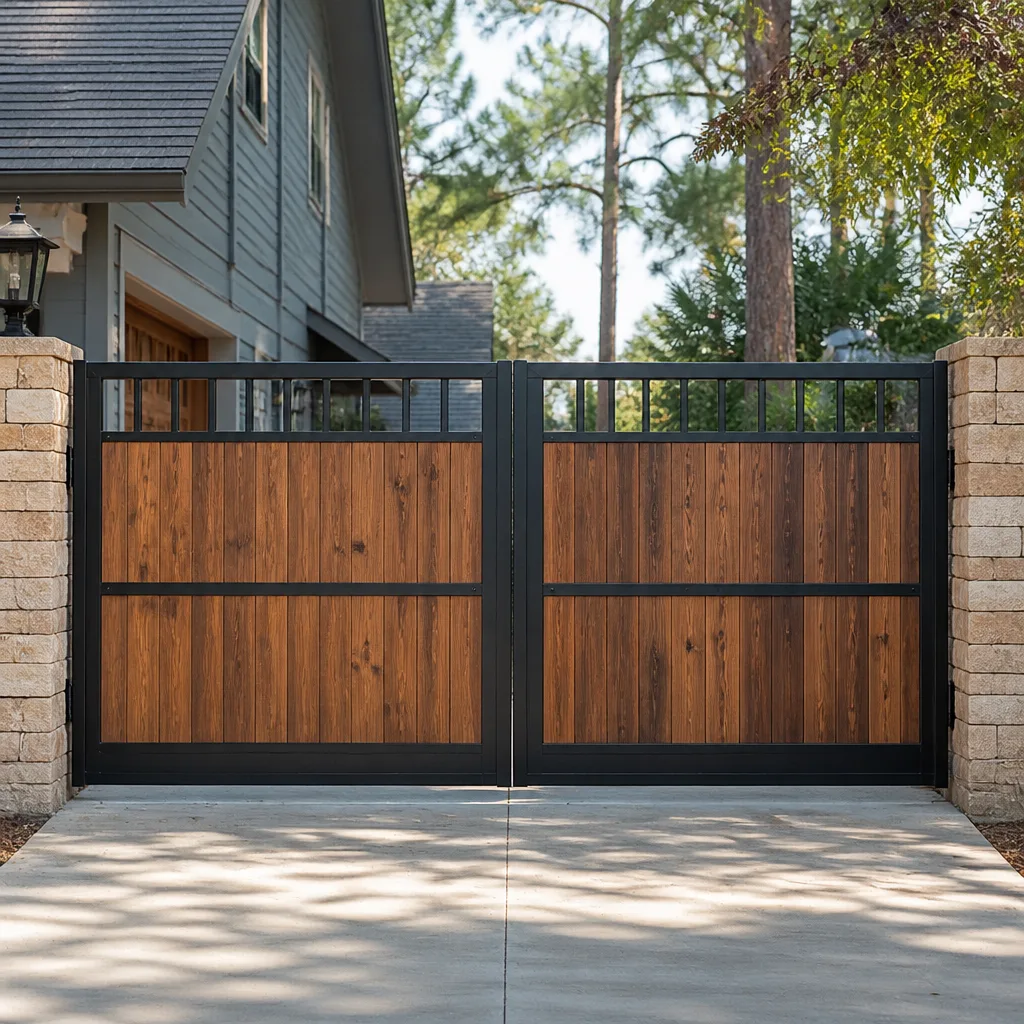 Wood & steel frame
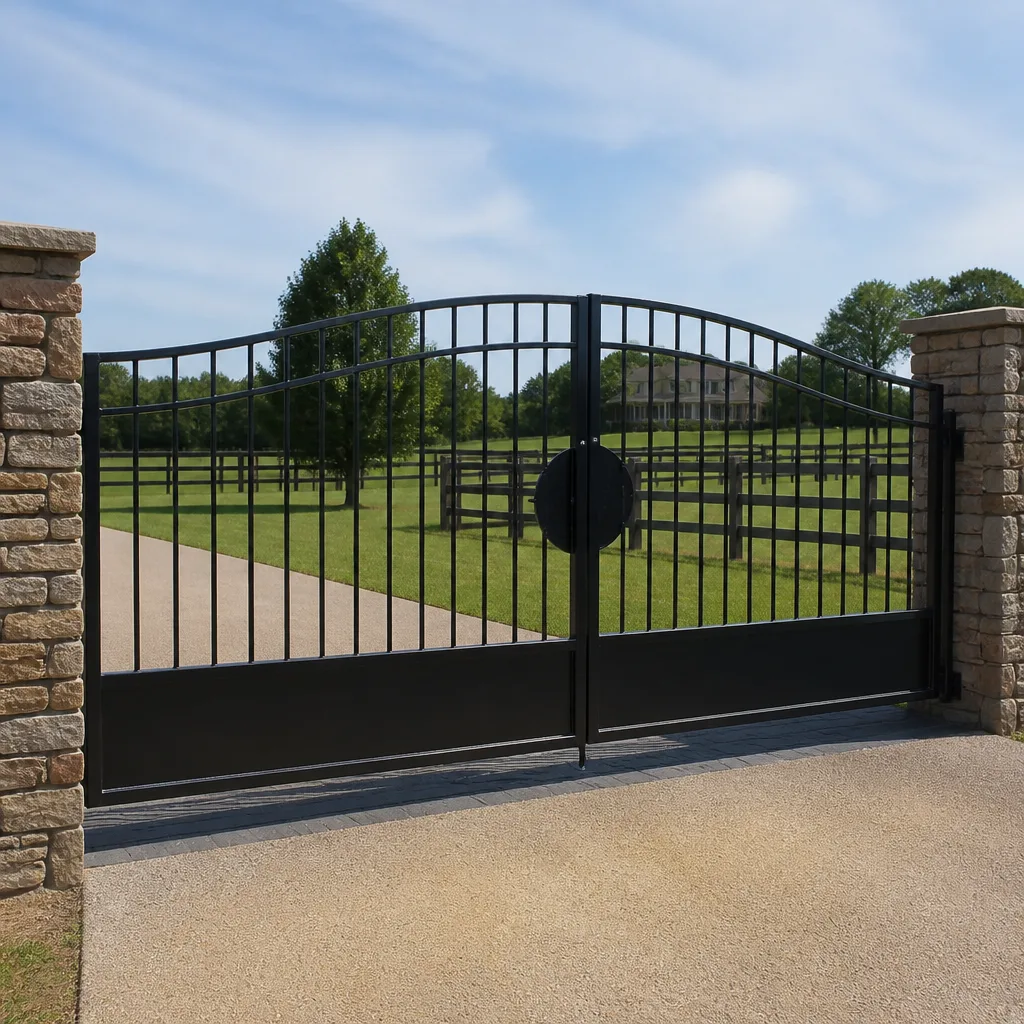 Farm & ranch
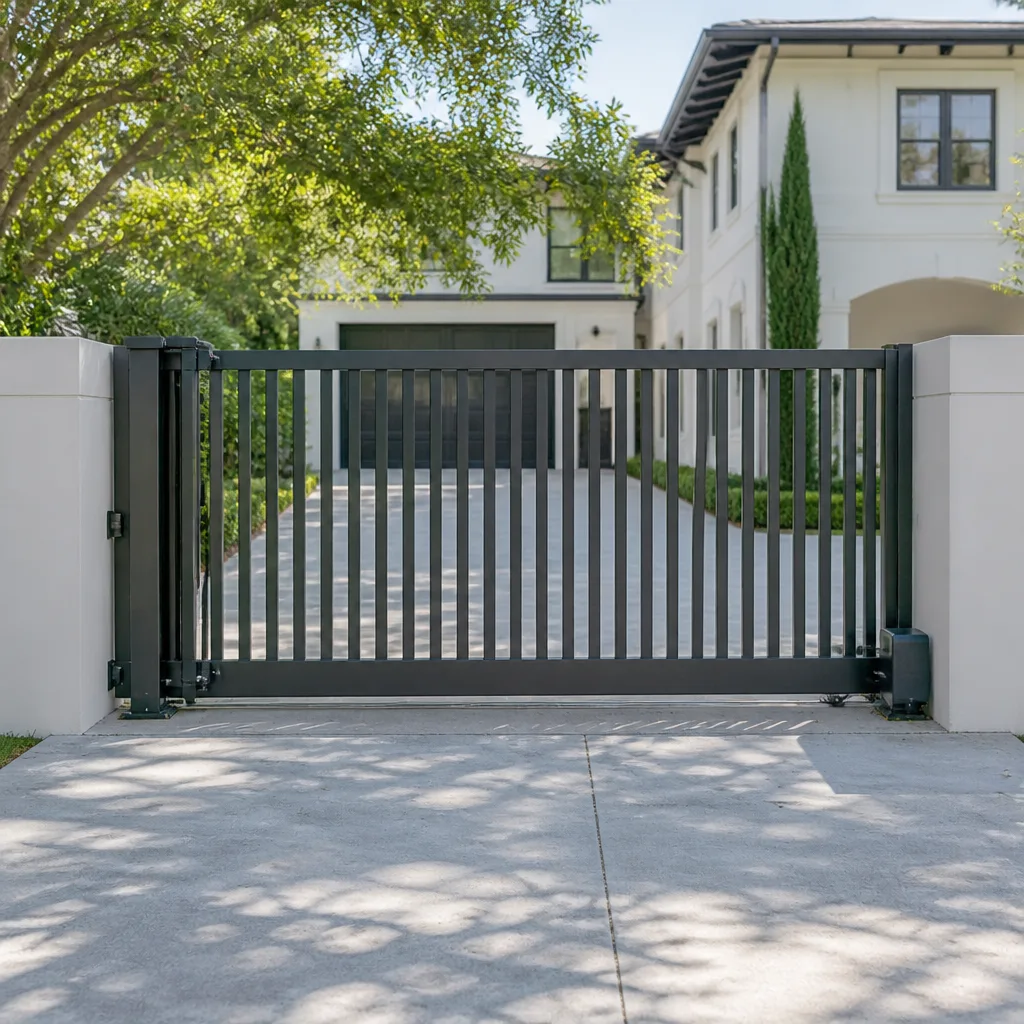 Sliding driveway gates
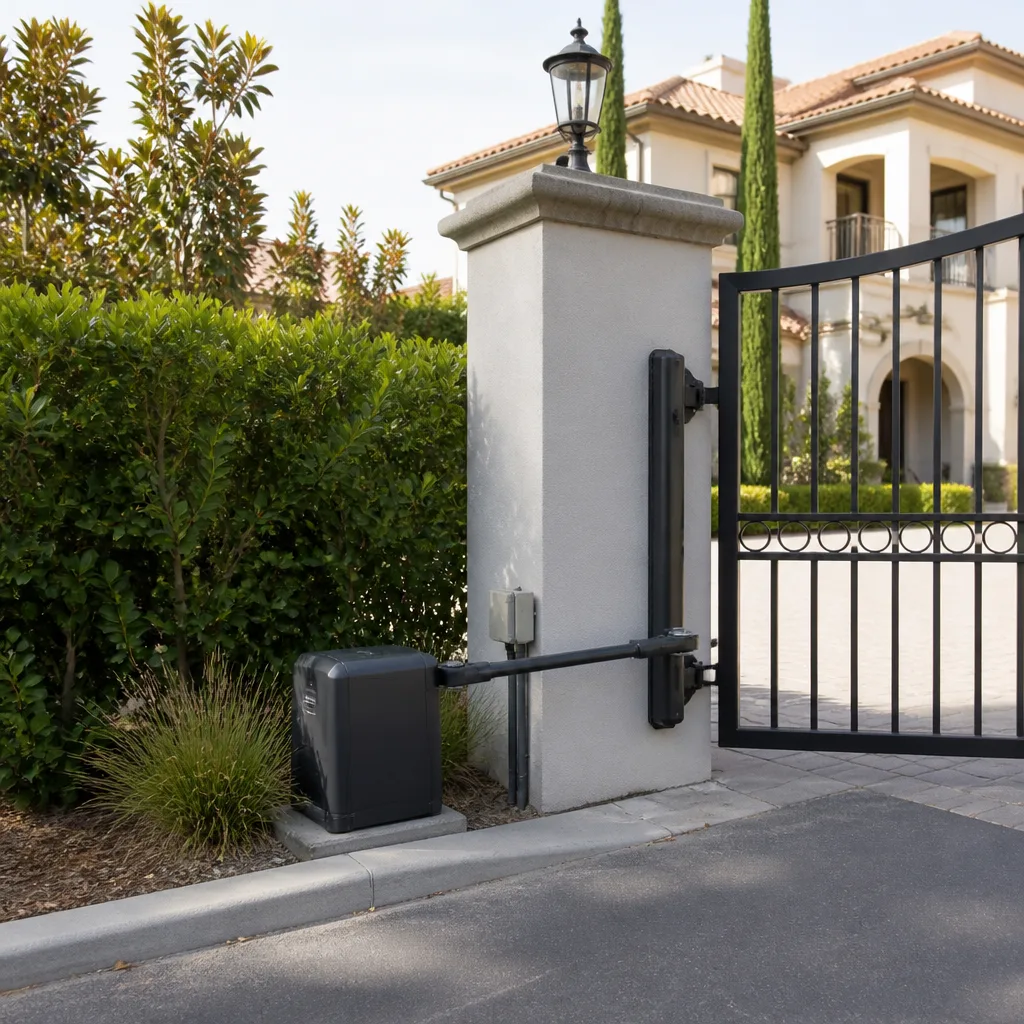 LiftMaster operators
Free on-site gate assessment - hinges, posts, and your LiftMaster or Nice gate operator checked before anything is quoted
The assessment is free and the quote is the invoice.
Get your free estimateChoosing the Right Gate Repair Brand: A Buyer’s Guide for Antioch
LiftMaster dominates residential gate installations in Antioch not because it’s always the best operator for the site, but because it’s what most general installers know. That’s a sales convenience, not an engineering recommendation. The brand on the housing tells you what was available on install day, not whether the operator matches how hard the gate actually works, what the weather throws at it, or who can get parts for it when it quits. Choosing the right brand comes down to three filters: duty cycle, enclosure rating, and local parts and service availability. This guide walks through each one, shows you where a residential unit quietly crosses into commercial territory, and explains how to tell whether a contractor’s brand pitch is about your gate or their inventory. By the end you’ll know what questions to ask before anyone puts a brand name in writing.
Quick Answer
The right gate operator brand for an Antioch property is the one whose duty cycle matches your real daily usage, whose enclosure rating survives wind-driven dust and periodic heavy rain, and whose parts and service are reachable in the Bay Area without a weeks-long wait. LiftMaster, FAAC, BFT, Linear, Viking, Ghost Controls, DoorKing, Elite, and Mighty Mule all have a place, and none is universally “best.” Match the equipment to the site, then confirm you can get it fixed locally.
Styles & brands we work with
- Wrought iron
- Wood & steel frame
- Farm & ranch
- Sliding driveway gates
- LiftMaster operators
Table of Contents
- Why duty cycle rating matters more than brand loyalty
- Enclosure ratings and the Antioch environment
- Parts availability as a brand selection criterion
- When a residential gate needs commercial-grade hardware
- How to evaluate a contractor’s brand recommendation
- Manual vs. electric: matching the brand to the system type
- Seven steps to choosing a gate brand and installer
- Who services what in Antioch
Why Duty Cycle Rating Matters More Than Brand Loyalty
Duty cycle is how hard an operator can work over a set period, usually expressed in cycles per hour or a percentage of on-time. It’s the single spec most homeowners never look at, and the one that decides whether an operator lasts. A name-brand residential operator rated for a handful of cycles an hour is the correct choice on a single-family driveway where the gate opens and closes a dozen times a day. Put that same unit on a multi-tenant driveway gate in Antioch that cycles dozens of times an hour during commute windows and you’ve installed a failure on a schedule. The gate doesn’t care that the brand is well known; it cares that the motor is asked to do more than it was built for.
Here’s the part contractors who lead with “we install X brand” tend to skip. The label isn’t the risk. The mismatch is. We’ve watched the same model run for years on a quiet residential gate and fail within months on a busy one. That’s not a bad brand. That’s the wrong tier for the job.
When you’re sizing an operator, answer these honestly:
- How many times a day does the gate actually move? Count openings and closings, not vehicles. A shared driveway with four households cycles far more than one with a single owner.
- When do those cycles bunch up? Morning and evening rush on a commercial gate or HOA entrance concentrates wear into short windows, which is harder on a motor than the same daily total spread out.
- What type of gate is it? A heavy swing gate on a slope works the operator harder than a flat slide gate of similar weight.
- How long does a full travel take? A gate that takes longer to open runs the motor longer each cycle.
If the answer points to more than light use, you belong in a commercial-rated operator even if the property is technically residential. Choosing the tier first, then the brand within that tier, is how you avoid an early failure. That order of operations matters more at a busy Antioch driveway than the logo on the box.
Enclosure Ratings and the Antioch Environment
Antioch’s setting shapes what an operator has to survive. Summer heat is real, and the Delta wind carries dust that finds its way into control boxes, fittings, and motor housings. Periodic heavy winter rain is the other half of the equation. An operator that would run fine in a sheltered, dry spot can struggle when it’s mounted in the open and exposed to blowing grit followed by soaked conditions. That’s exactly why the enclosure rating matters, and why it should be part of brand selection, not an afterthought once the gate is already on the ground.
NEMA ratings are how manufacturers describe how well an enclosure keeps out dust and water. The details differ by brand and model, but the practical hierarchy is what you need:
- Basic indoor or sheltered ratings protect against incidental contact and limited dust. They belong in a protected location, not out on an exposed column.
- Dust-tight ratings keep fine particles out. Given the Delta wind and roadway grit around Antioch, this is the floor you want for anything mounted in the open.
- Water-resistant and weatherproof ratings handle rain and washdown. For an exposed roadside or hillside installation, this is where you want to land.
The trap is straightforward. A popular residential operator might be perfectly capable electrically but be offered only in an enclosure rating that leaves its control board open to grit and moisture. In a dry, sheltered climate that’s a non-issue. In Antioch, it’s a slow failure. Ask what NEMA rating the proposed operator carries and where the control board and limits will sit in relation to the weather. If the answer is vague, that’s your cue to ask again. The brand cannot fix an enclosure that’s wrong for the spot.
Parts Availability as a Brand Selection Criterion
A gate brand is only as good as its ability to get you back in service after a failure. This is where a lot of brand debates quietly go wrong. The most respected operator in the country is still a liability if its control board or motor is on a multi-week lead time and your gate is the only vehicle entrance. In our experience, parts availability separates brands far more than marketing rankings, and it should be a first-tier filter, not a tiebreaker.
What “available” really means on a service call:
- What’s the parts channel? Some brands are stocked broadly enough that a distributor in the East Bay or greater Bay Area can supply common components without a special order. Others run through narrower channels and longer waits.
- Which parts fail most? Control boards, motors, loop detectors, safety sensors, and limit switches are the usual culprits. Ask specifically about these.
- Is the brand still supported? Older or discontinued operators can leave you hunting for a compatible board when the original is gone.
- Can a same-day or next-day part actually be found? On a commercial or multi-tenant gate in Antioch, downtime is the whole cost. A brand whose parts are reachable locally shortens that window.
Notice we’re talking about categories, not promises. No one can guarantee a specific part is sitting on a shelf this afternoon. But a brand with a robust local parts channel will usually get a gate back sooner than one that depends on a distant supplier. When two operators are equally suitable on duty cycle and enclosure, the one you can get parts for locally wins. That’s a brand selection filter, not a sales line, and it belongs in your decision from the start.
When a Residential Gate Needs Commercial-Grade Hardware
Plenty of Antioch gates serve what counts as residential property but live a commercial life. Shared driveways, small HOAs, an in-law unit with its own entrance, an ADU where the gate now gets daily traffic from two households instead of one, or a home-based business with steady vehicle flow. The building department may see a residence; the gate sees something closer to a commercial duty cycle. Where you draw the line is the question, and it’s worth drawing it deliberately.
Any of these signals is your cue to step up to commercial-grade equipment:
- Traffic that regularly exceeds the light daily use a residential operator was designed for.
- Cycles that bunch into tight windows, like a shared entrance where everyone leaves and returns around the same hours.
- A gate weight or length beyond what residential operators of that type are meant to move.
- An entrance serving more than a single household or used by customers, tenants, or vendors.
- Anyone relying on that gate as their only way in and out, so a failure is a real access problem rather than an inconvenience.
- Any gate that needs loop detectors, sensors, and access control as standard, not as add-ons.
Commercial operators cost more upfront. What they buy is a motor sized for the work and control hardware built to run access equipment every day. On a shared Antioch driveway, the residential unit usually fails early and gets replaced anyway, so the “savings” is short-lived. If you’re unsure which side of the line you’re on, have the gate looked at before you pick a brand. The right answer depends on the site, and the site can be inspected.
How to Evaluate a Contractor’s Brand Recommendation
When a contractor names a brand, your job is to find out whether the recommendation is about your gate or their convenience. Those are two different things, and the gap between them is where wrong-sized operators get installed. You don’t need to distrust the recommendation outright. You need to hear the reasoning, and the reasoning should sound like the site, not the catalog.
Listen for these signals:
- Did they inspect before naming a brand? A recommendation made before anyone looked at travel, weight, slope, and exposure is a guess. The order should be the gate first, the brand second.
- Did they ask about usage? Real sizing requires knowing how often and how hard the gate runs. If they didn’t ask, they assumed.
- Can they describe the trade-offs? A good technician can tell you why a certain operator suits your situation and what it gives up. Loyalty to one brand usually can’t explain a trade-off.
- Do they work on more than a couple of brands? A gate repair team with experience across a range of operators is less likely to steer everything to whatever’s familiar and more likely to tell you what your existing system actually needs.
Take a LiftMaster operator as an example. It’s a fine brand and popular for a reason, and it may well be the right call for a given gate. But if it’s the only name on the quote no matter what the site looks like, that’s not a recommendation, it’s a default. The multi-brand question isn’t about collecting logos. It’s about whether the people diagnosing your gate can see past the equipment they habitually install.
Manual vs. Electric: Matching the Brand to the System Type
Not every gate brand question is an operator question. A manual swing gate – one the property owner pushes open by hand – has no operator brand at all. Its reliability comes from hinges, latches, alignment, posts, and the frame itself. When a manual gate sags, drags, or won’t latch, a new operator brand is beside the point; the mechanical side needs attention. That distinction saves money and prevents the wrong kind of fix.
It matters for how you sort a contractor’s pitch too. A team that only knows automation may reach for an operator where a hinge adjustment and a latch fix would have done the job. A team that works the full scope covers manual hinge-and-weld work and electric systems in one place, so they diagnose the actual failure before reaching for a computer. That’s the difference between fixing what’s wrong and selling what’s handy.
Ask yourself which side of this you’re on:
- Manual gate that’s hard to move or won’t stay shut: mechanical. Think hinges, latch, alignment, footing, frame.
- Manual gate you want to automate: installation question. The gate has to be mechanically sound and the operator sized to it, in that order.
- Electric gate that won’t move, reverses, opens partway, or acts erratically: operator and control-system question. Motor, control board, limits, safety sensors, loop detectors.
- Electric gate you want replaced or upgraded: installation and brand-fit question. Same filters as any new operator.
For the automated side, services like electric gate repair usually trace to a small set of causes – motor, control board, sensor, detector, or wiring. For the mechanical side, the fix is all about the hardware in front of you. Knowing which category you’re in before you call means fewer surprises and a tighter conversation about brand.
Seven Steps to Choosing a Gate Brand and Installer
Here’s a straightforward sequence you can run before you commit to any brand or quote. It front-loads the questions that decide whether the operator is sized right, so you don’t discover the mismatch after installation.
- Identify what you already have. If there’s an existing operator, find the brand and model on its housing or control board. This points you toward the right parts channel and tells a technician more than a description ever could.
- Count your real usage. Estimate daily cycles honestly, note when they bunch up, and factor in tenants, households, or customers who share the entrance.
- Inspect the site. Note exposure to wind, dust, and rain, plus gate weight, length, slope, and the surface the gate travels on.
- Choose the duty tier first. Decide whether this job is light residential use or needs commercial-grade hardware, then narrow the brands within that tier.
- Check the enclosure rating. Confirm the proposed operator’s protection matches the spot it’ll live in, not just the climate in general.
- Confirm parts and service. Ask how readily common parts come by, and get an honest read on how long a fix might take if something fails.
- Get the reasoning in writing. A written estimate should explain why this operator fits the gate, not just its brand name and the number. Ask for the trade-off.
Run those steps and you’ll have a shortlist that survives contact with real conditions. If a contractor skips straight to a brand model and a price on step one, that’s information too.
Who Services What in Antioch
Brand fluency isn’t a slogan; it’s the difference between getting a diagnosis and getting a referral somewhere else. A gate repair team familiar with LiftMaster, FAAC, BFT, Linear, Viking, Ghost Controls, DoorKing, Elite, and Mighty Mule can look at what you already have and tell you what it needs, whether that’s a mechanical fix or a control-system repair. For commercial and HOA entrances, systems like DoorKing access control and Elite operators come up often, and working on the equipment rather than around it saves a lot of passing the property along.
A full-scope approach matters here. Gate repair covers the manual and mechanical side – hinges, latches, alignment, welding, and the frame itself – while the automated side covers motor, operator, control board, sensor, and detector diagnosis. When one team handles both, you’re not stuck coordinating a mechanical contractor and an automation contractor on a gate that can’t sit in two halves. One call covers the diagnostics, and the fix matches the actual failure instead of the nearest product line. If you’re weighing a new installation, that same team can size the operator to the gate it’s going onto, so the brand choice follows the site rather than the other way around.
Diagnose first, then fix. That order is what keeps a brand recommendation honest and keeps your gate back in service instead of stuck in a vendor’s queue.
Common Mistakes to Avoid
- Choosing a brand before you know the duty cycle. Brand loyalty without sizing the operator to real daily use is how a residential unit ends up on a busy shared driveway and fails early. Match the tier first.
- Ignoring the enclosure rating. An operator mounted in the open around Antioch faces Delta wind-blown dust and heavy winter rain. A rating suited to a sheltered spot can leave the control board exposed to both.
- Treating “best brand” as a fixed answer. There’s no universal best operator, only a best fit for a specific gate, usage level, and exposure. A brand ranking that ignores the site is trivia, not advice.
- Skipping the parts question. A capable operator you can’t get parts for locally can leave your gate down far longer than a slightly less famous brand you can service quickly. Ask about parts channels before you commit.
- Reaching for an operator on a manual gate. Some failures are purely mechanical – a dragging hinge, a broken latch, a sagging frame. Diagnosing first prevents a fix where the customer pays for an operator they didn’t need.
- Accepting a brand recommendation nobody explained. If the same brand shows up on every quote regardless of the gate, you’re hearing a habit, not a fit. Ask for the reasoning and the trade-off.
- Assuming a residence rules out commercial hardware. A home-based business or shared entrance in Antioch can generate commercial-level traffic on a residential property. Let the actual usage decide the tier.
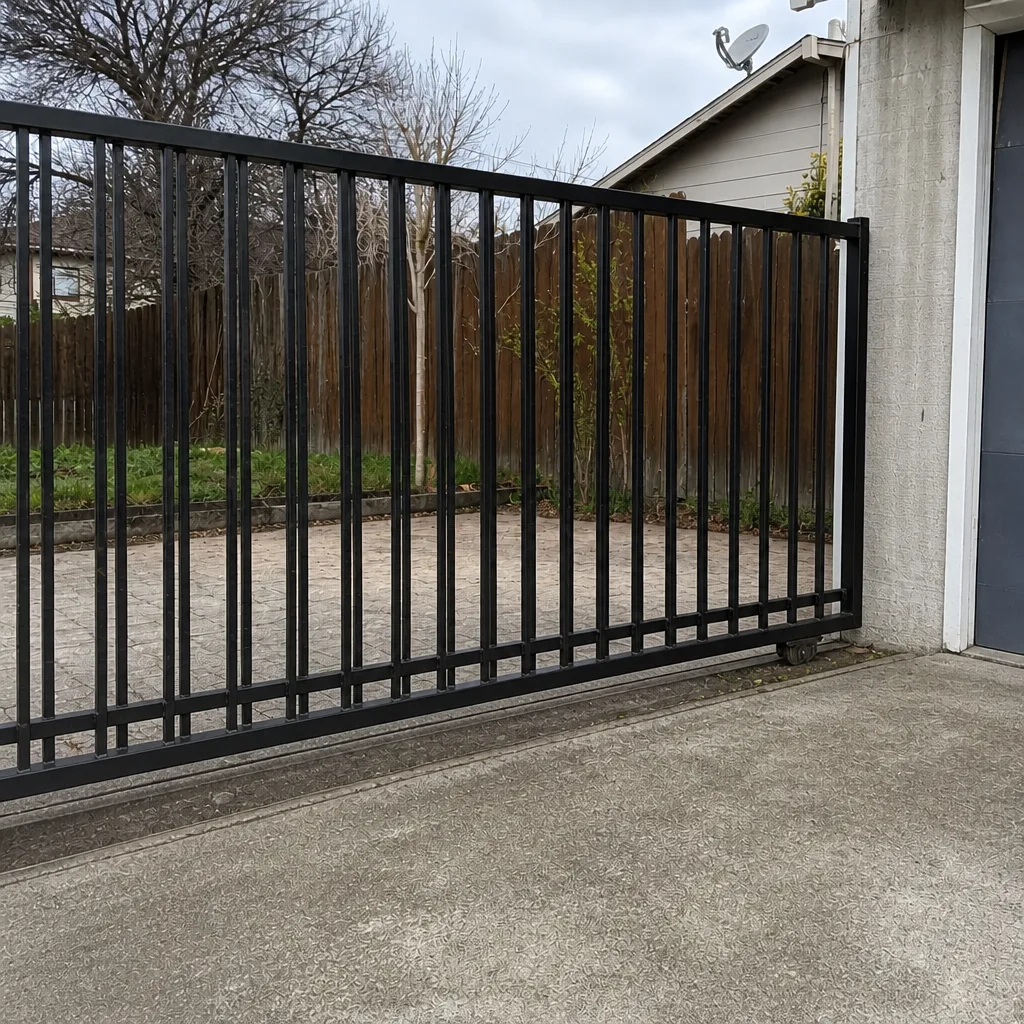
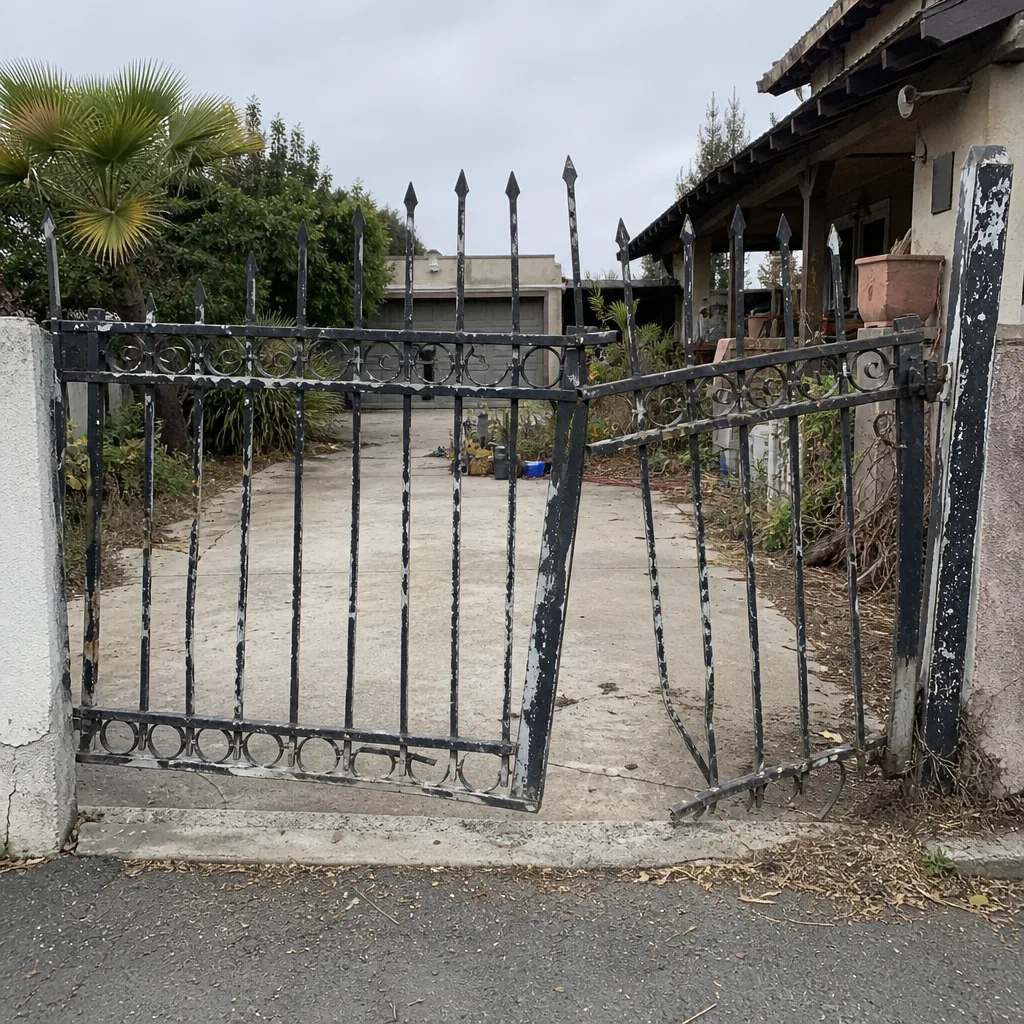
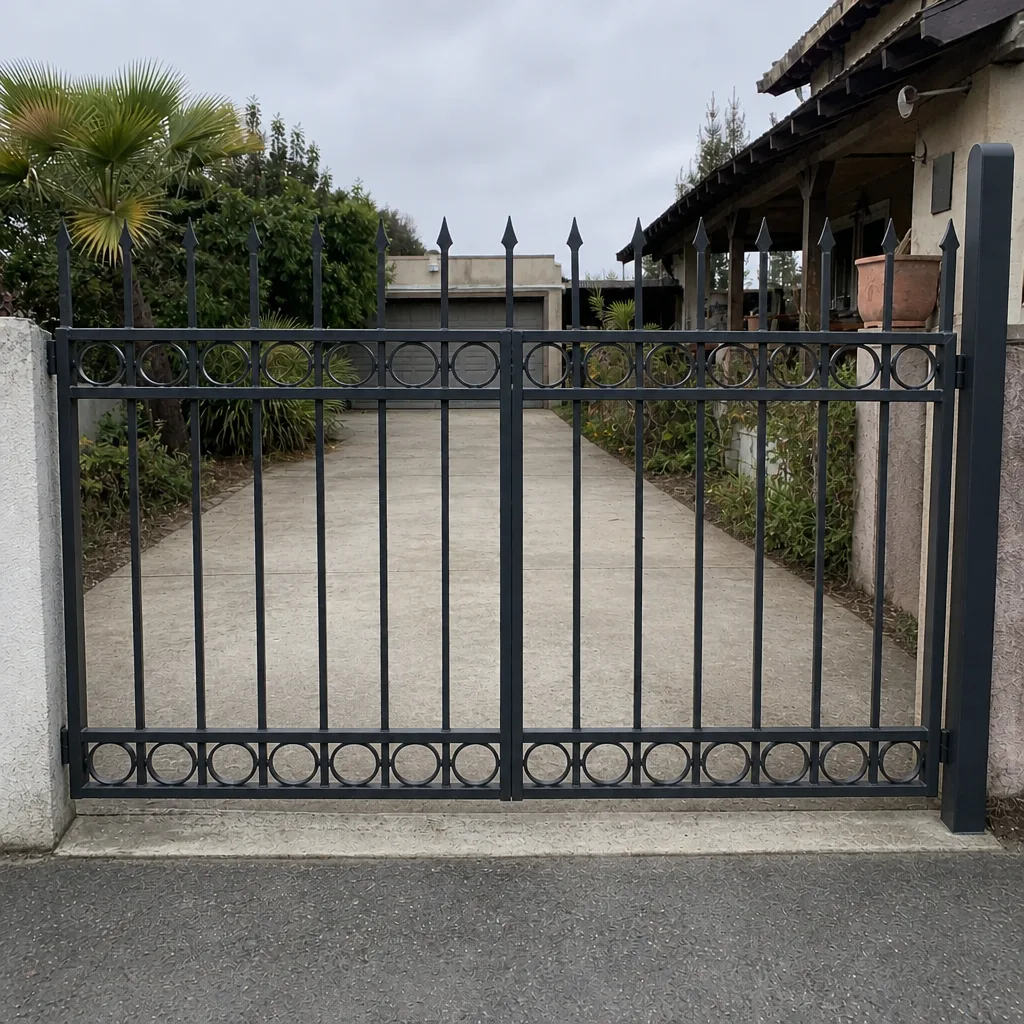
See the difference
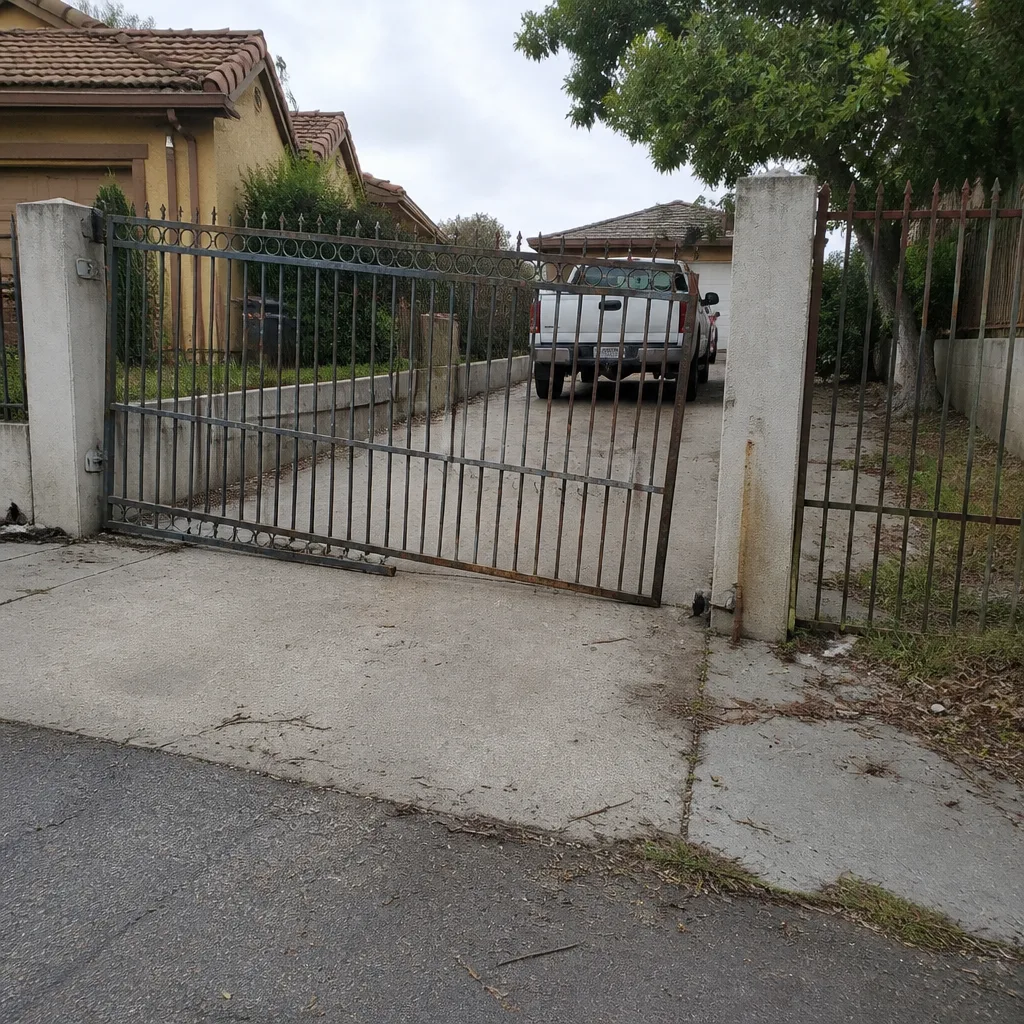 Before
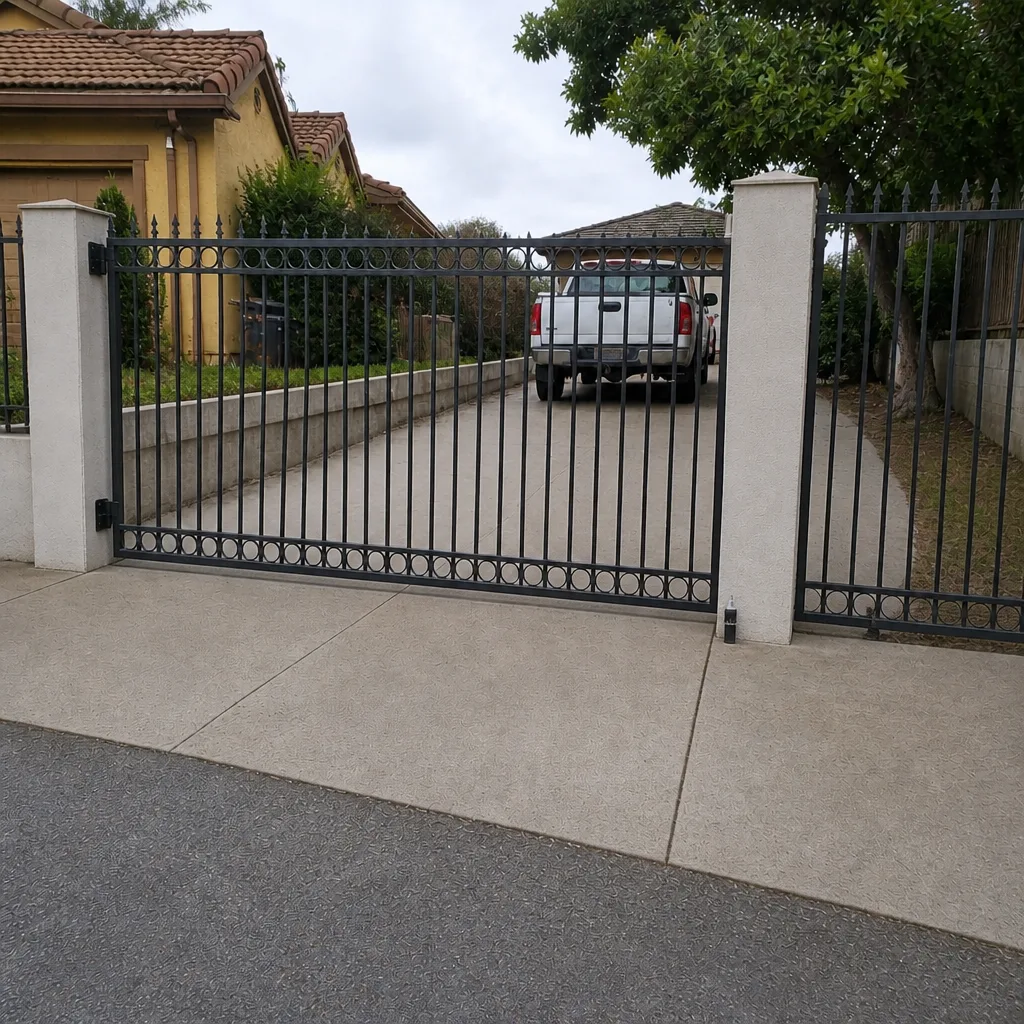 After
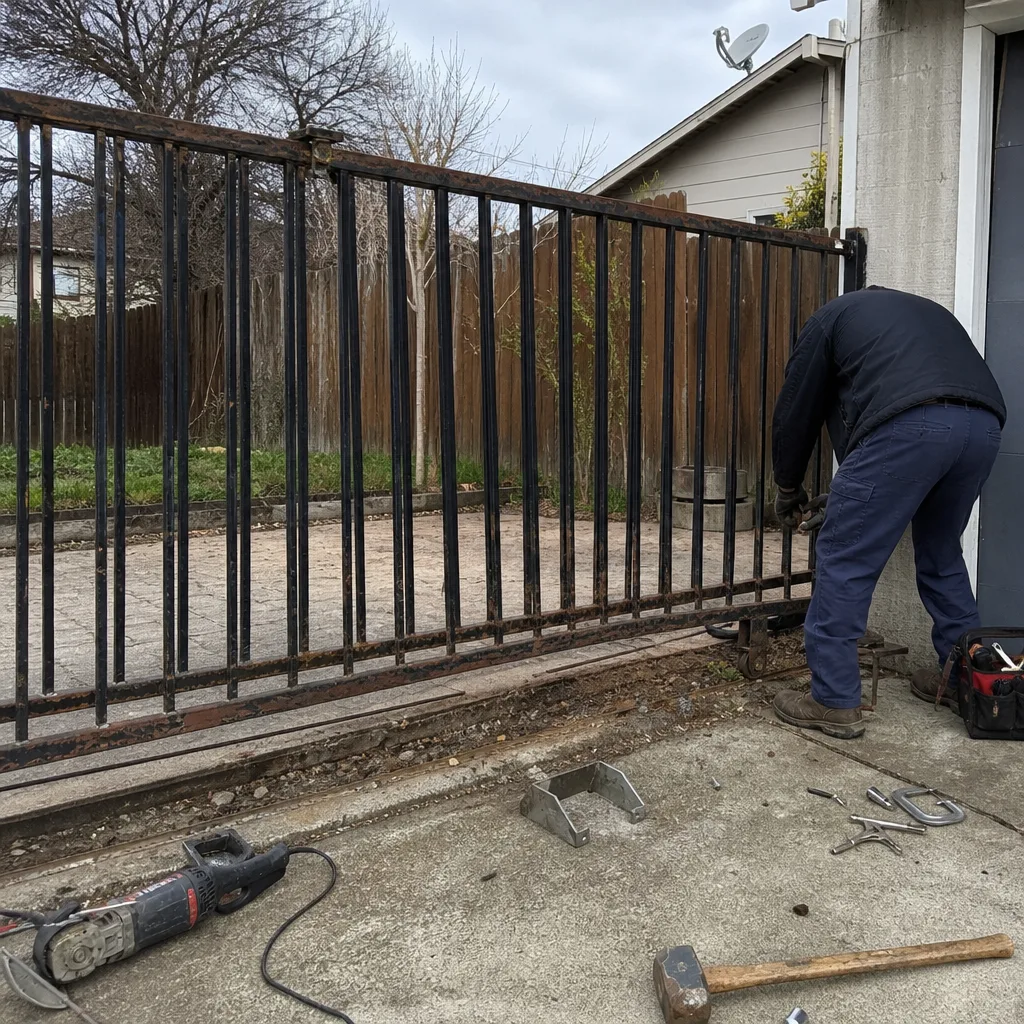 Before
 After
 Before
 After
When to Call a Professional
Some gate problems are worth a look, and others need a trained technician on site. If your automated gate won’t open, reverses partway, moves in fits and starts, or refuses to latch, those are signals of an operator or control-system fault that belongs with someone experienced in the brand. The safety side matters most: a gate operator runs on line voltage, can build up stored energy, and drives heavy panels or a sliding leaf that can crush or come off its track if it’s out of adjustment. Control wiring, power connections, and safety sensors aren’t a homeowner project, and a wrong adjustment can make the gate dangerous rather than just broken. For a manual gate that sags, drags, or won’t secure, the fix is usually mechanical – hinges, latch, alignment, or frame. Our technicians have up to 11 years of experience, and free estimates in Antioch are a phone call away at (855) 799-8573. We answer 24/7, and fast dispatch runs from 7am to 7pm, Sunday through Friday.
Frequently Asked Questions
There’s no single best brand for Antioch – the right one depends on duty cycle, enclosure rating, and parts availability for your specific gate. A well-known residential operator can be the perfect call on a light-use driveway and the wrong one on a busy shared entrance. Match those three factors first, then choose the brand within the right tier. Call (855) 799-8573 for a free estimate and an exact recommendation.
No, though it’s a capable brand and often a good fit. LiftMaster is common on residential installations partly because many general installers work with it, so it tends to be the default even when another operator suits the site better. The question isn’t whether it’s a good brand; it’s whether its duty rating and enclosure suit your usage and exposure. A free estimate will tell you – call (855) 799-8573.
You likely need commercial-grade hardware when the gate serves more than one household, carries a home business, handles high daily traffic, or must always work as a vehicle entrance. Tightly bunched cycle windows and access-control hardware like loop detectors and sensors are strong signs. When in doubt, have the gate inspected so the duty tier is decided on the actual usage, not a guess. Call (855) 799-8573 for a free estimate.
A NEMA rating describes how well an operator’s enclosure keeps out dust and water. In Antioch, wind-driven dust and periodic heavy rain put an exposed operator under real pressure, so a dust-tight, weather-resistant rating matters more than it would in a sheltered spot. An operator rated for a dry, protected location can leave its control board open to grit and moisture. Call (855) 799-8573 and we’ll match the rating to your site.
Very likely. We service LiftMaster, FAAC, BFT, Linear, Viking, Ghost Controls, DoorKing, Elite, and Mighty Mule, so there’s a strong chance the brand on your existing operator is one we know well. Finding the model on the housing or control board helps us point you to the right parts and fix. Call (855) 799-8573 with the details and we’ll take it from there.
Yes. We cover both the mechanical side, like hinges, latches, alignment, and welding, and the automated side, including motors, control boards, loop detectors, and safety sensors. That means one team can diagnose what’s actually wrong instead of sending you between a mechanical contractor and an automation vendor. Call (855) 799-8573 for a free estimate.
The Bottom Line
The best gate operator brand for your Antioch property is the one that fits the site, not the one with the loudest reputation. Size the duty cycle to your real daily usage, choose an enclosure rating that stands up to Delta wind and heavy winter rain, and confirm you can get parts and service without a long wait. Evaluate any contractor’s recommendation by whether it reflects your gate or their habits, and remember that a manual gate has no operator brand to argue about. Diagnose first, then fix, and you’ll pick the right brand the first time.
When you’re ready to sort out a stubborn gate or plan a new installation, call Gate Repair Antioch at (855) 799-8573 for a free estimate. We answer 24/7, with fast dispatch from 7am to 7pm, Sunday through Friday. We work on the brand you already have and help you choose the right one for what comes next. Visit Gate Repair Antioch to get started, or read more about gate repair and service across Antioch.
Written by the team at Gate Repair Antioch.