
Last updated November 16, 2026
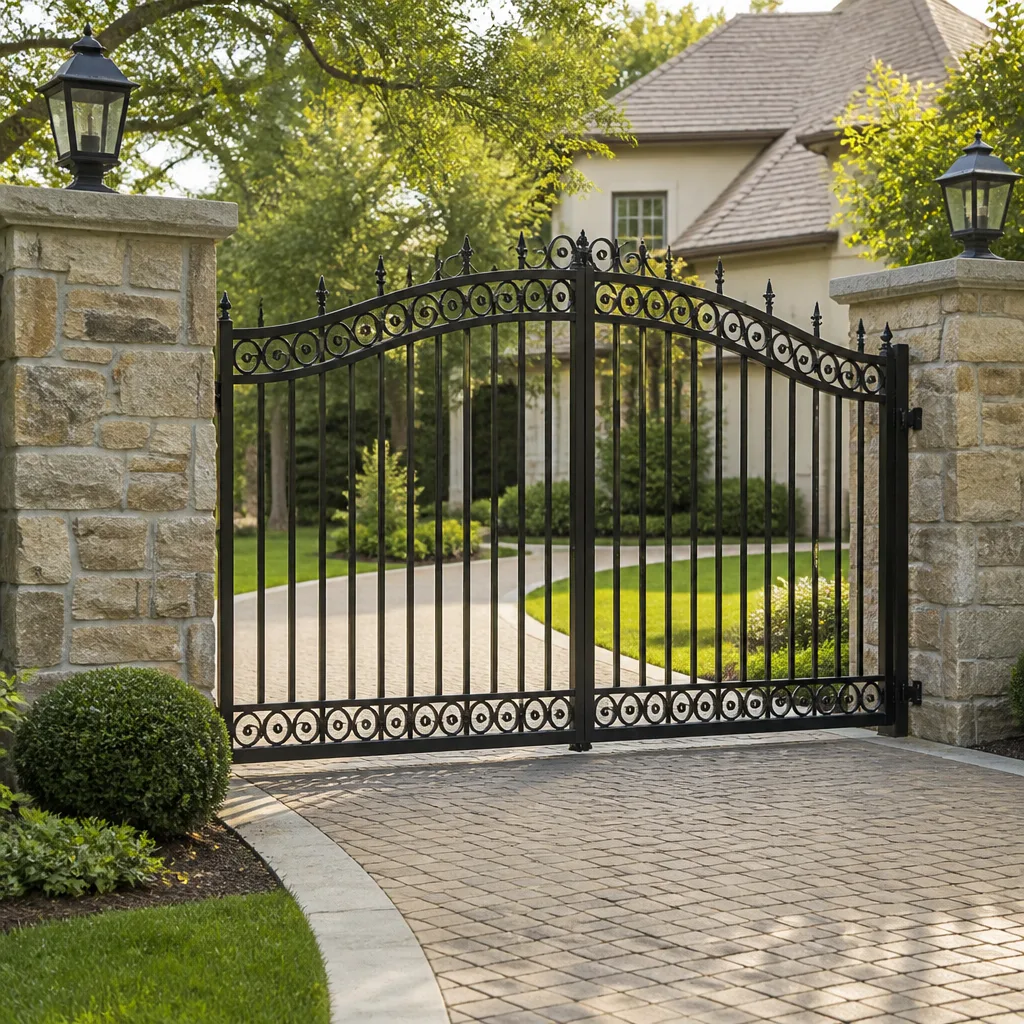 Wrought iron
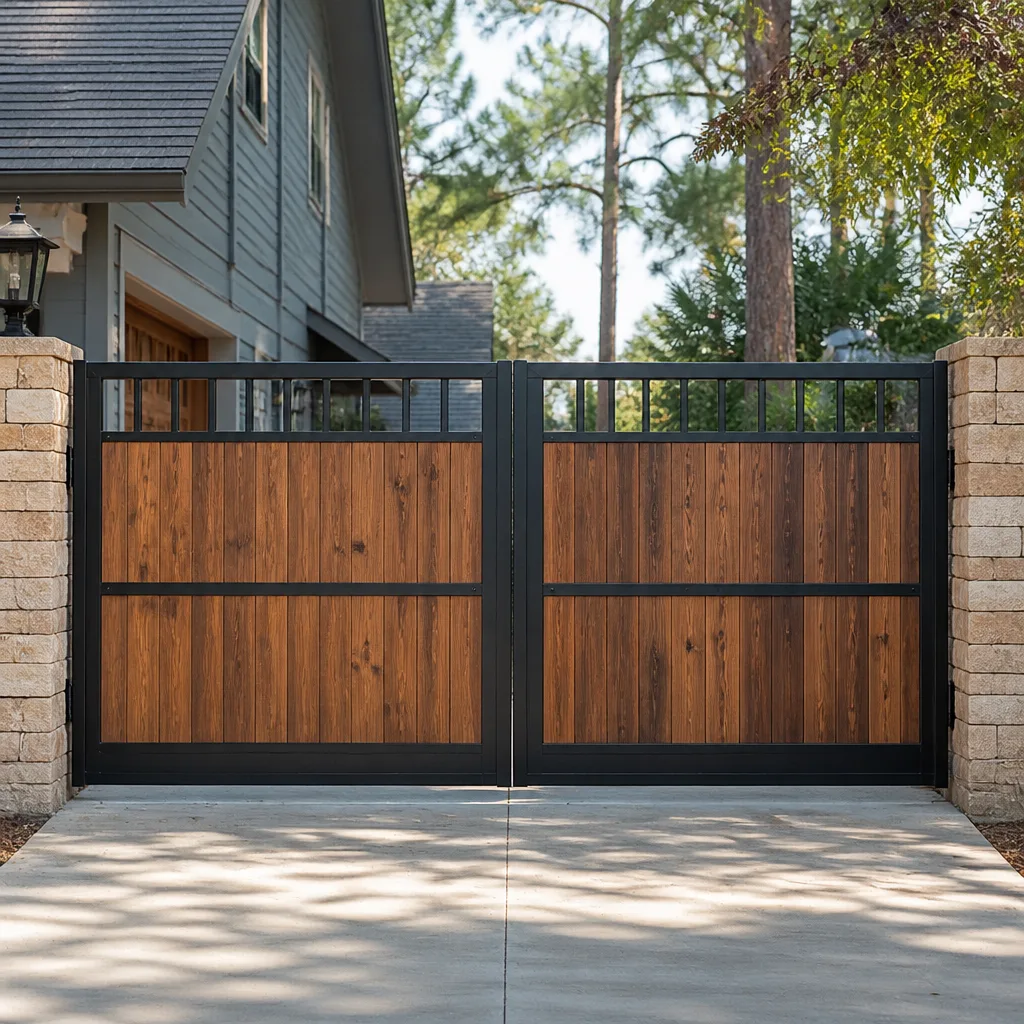 Wood & steel frame
 Farm & ranch
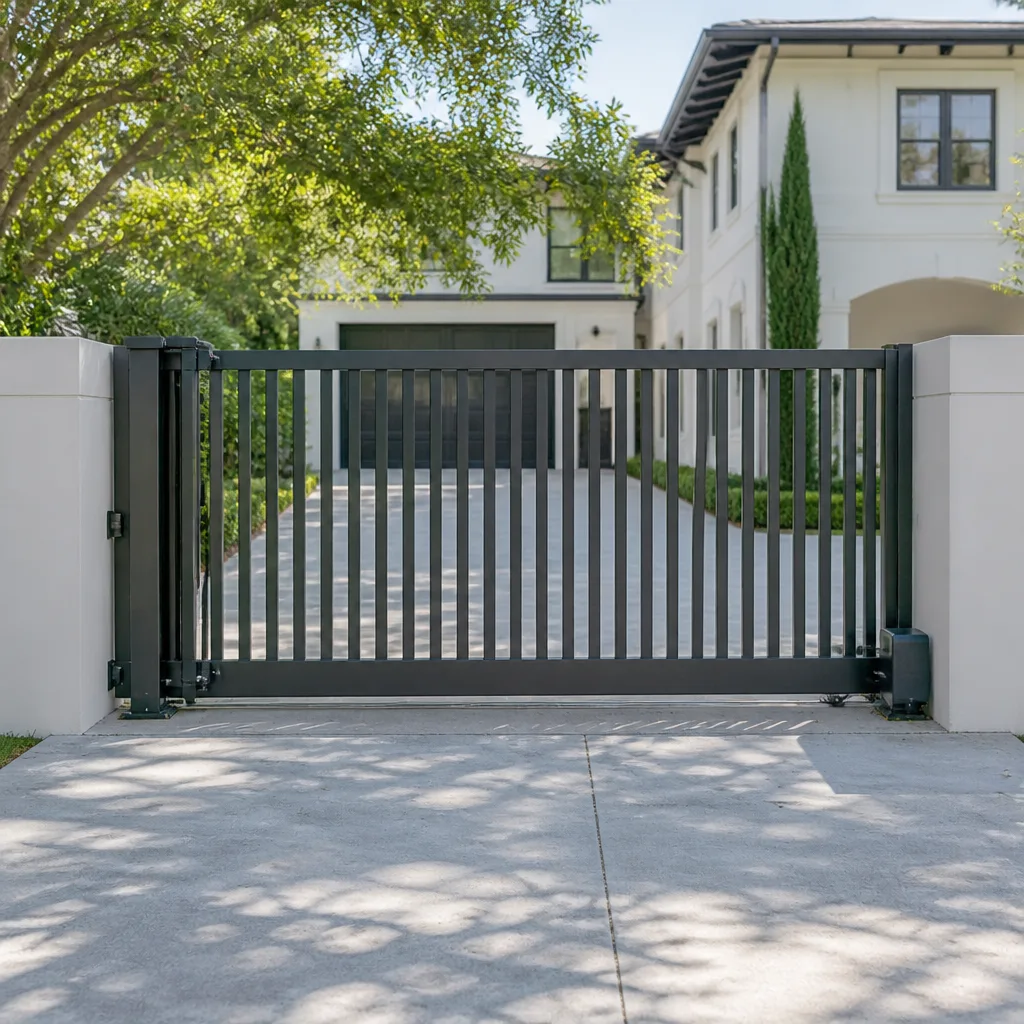 Sliding driveway gates
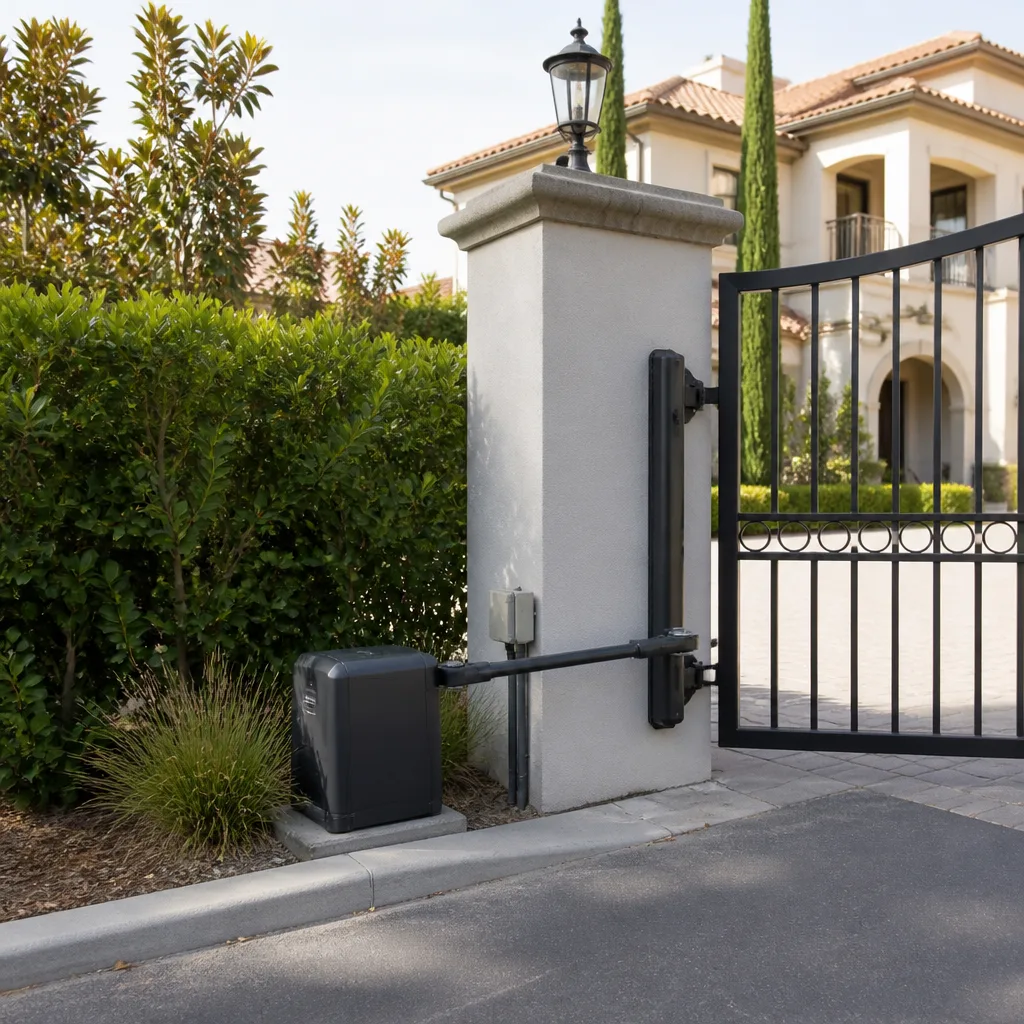 LiftMaster operators
Free on-site gate assessment - hinges, posts, and your LiftMaster or Nice gate operator checked before anything is quoted
The assessment is free and the quote is the invoice.
Get your free estimateGate Repair Troubleshooting in Antioch: Common Problems and How to Fix Them
A gate that reverses before it closes isn’t broken. It’s usually telling you exactly what’s wrong through its obstacle-detection logic, and most homeowners call for service before they’ve checked the one sensor that costs nothing to realign. That’s the gap this guide closes. Almost every gate failure in Antioch traces back to one of five root causes: power supply, control board, limit switches, obstruction sensors, or the mechanical drivetrain. Once you know which category your symptom belongs to, you can describe the problem precisely, skip the guesswork, and often save yourself a service visit entirely. Below, we map symptoms to causes, decode the error codes common operators throw, and separate the checks you can do safely from the ones that need a licensed technician.
Quick Answer
Gate troubleshooting in Antioch starts with classifying the symptom into one of five failure categories: power supply, control board, limit switches, obstruction sensors, or mechanical drivetrain. A gate that reverses mid-travel is almost always an obstruction-sensor or limit-switch issue, while a gate that won’t move at all points to power or a failed board. Intermittent, unpredictable behavior is usually a wiring or connection fault rather than a dying motor.
Styles & brands we work with
- Wrought iron
- Wood & steel frame
- Farm & ranch
- Sliding driveway gates
- LiftMaster operators
Table of Contents
- The Five Failure Categories That Explain Almost Every Gate Problem
- Symptom-to-Cause Matrix: What Your Gate Is Telling You
- How Antioch’s Delta Breeze and Temperature Swings Affect Your Gate
- What Operator Error Codes Actually Mean
- Safe Checks You Can Do Before Calling a Technician
- Why Intermittent Failures Are Almost Always Wiring
- How to Describe the Problem So Diagnosis Is Fast
- Working With the Brand You Already Have
The Five Failure Categories That Explain Almost Every Gate Problem
Every gate system, no matter the brand or vintage, fails along one of five paths. Knowing which path your gate is on turns a vague “it stopped working” into a specific, testable hypothesis. That’s the difference between a quick fix and a technician chasing the wrong component for an hour. Here are the five categories we check first on every call:
- Power supply. The gate gets no electricity, or gets inconsistent electricity. Symptoms: total silence, no lights on the operator, a board that won’t power up, or a breaker that trips when the gate runs.
- Control board. The operator’s brain. Symptoms: the gate powers on but won’t respond to commands, runs in only one direction, or cycles erratically without input.
- Limit switches. These tell the gate where to stop. Symptoms: the gate overshoots its open or closed position, stops short, reverses at the wrong point, or grinds at the end of travel.
- Obstruction sensors. The safety eyes and edge sensors that detect a person, vehicle, or object. Symptoms: the gate reverses before closing, refuses to close at all, or stops mid-travel for no visible reason.
- Mechanical drivetrain. The physical parts that move: hinges, rollers, tracks, chains, and the gate panel itself. Symptoms: sagging, dragging, binding, loud grinding, or a gate that moves under manual force but not under motor power.
The reason this framework matters in Antioch is density. Many properties here sit on lots where a gate spans a driveway that sees daily traffic, whether it’s a homeowner in a hillside neighborhood or a property manager handling a commercial lot on a busy corridor. When a gate fails, the symptom usually points cleanly to one category. Start there before assuming the motor is dead.
Symptom-to-Cause Matrix: What Your Gate Is Telling You
Here’s the practical translation table. Find your symptom, and it points you to the category most likely responsible. This isn’t a diagnosis on its own, but it’s the fastest way to describe your problem accurately when you call.
- Gate completely silent, no lights. Power supply. Check the breaker and the operator’s power switch first.
- Gate powers on but won’t move. Control board or limit switches. The board isn’t sending the command, or a limit is stuck in a “stop” position.
- Gate reverses before closing. Obstruction sensors, almost always. The safety eyes are misaligned, dirty, or blocked.
- Gate opens but won’t close (or vice versa). Limit switch or a one-direction relay on the control board.
- Gate stops mid-travel randomly. Obstruction sensor or a loose wire connection. If it happens at the same point every time, it’s a limit or a physical bind.
- Gate moves freely by hand but not by motor. Drivetrain is fine; the problem is in the operator, board, or power.
- Gate won’t move by hand or motor. Mechanical bind or a seized drivetrain component.
- Gate behaves differently in hot or cold weather. Metal expansion, sensor drift, or a marginal power connection.
In our experience, the obstruction-sensor reversal is the single most common call we get, and it’s also the most fixable. Before you pick up the phone, look at the two safety eyes on either side of the gate. If one is knocked slightly out of alignment or has a leaf or dust film across it, realigning and wiping it down solves the problem more often than you’d expect. Our Gate Repair Antioch team walks through this exact check on nearly every first visit.
How Antioch’s Delta Breeze and Temperature Swings Affect Your Gate
Antioch sits where the Delta breeze pushes cool evening air through on warm days, and that daily temperature swing does real work on a metal gate. Metal expands in the afternoon heat and contracts overnight. Over months, that cycle loosens fasteners, shifts hinges, and drifts sensor alignment by fractions of an inch. A safety eye that worked perfectly in April may be a few degrees off by August, just enough to trigger a phantom reversal.
What to watch for as the seasons change:
- Sensor drift. The safety eyes are mounted on brackets that move with the gate frame. Temperature swings shift the frame; the eyes drift with it. This is why a gate that reverses “out of nowhere” often does so after a stretch of warm days followed by cool nights.
- Hinge and latch looseness. Repeated expansion and contraction backs out bolts and wears hinge pins. A gate that sags slightly can drag on the ground or bind in the track, which the motor reads as an obstruction.
- Dust and pollen film. The Delta breeze carries dust that settles on sensor lenses. A thin film scatters the infrared beam and mimics a blocked path. Wiping the lenses is a two-minute check that rules out a whole category of failure.
- Wiring at connection points. Thermal movement stresses the connections at the operator, the control box, and the sensor brackets. Loose terminals here cause the intermittent failures covered below.
None of this means your gate is failing. It means the local environment asks a little more of the hardware, and a seasonal look at alignment, fasteners, and sensor lenses keeps a gate in Antioch out of the failure column longer.
What Operator Error Codes Actually Mean
Modern operators flash codes to tell you what they think is wrong. The trouble is the manuals speak in abbreviations and the codes vary by brand. Here’s plain-language translation for the families we work with most.
LiftMaster and similar residential operators. A code indicating an obstruction usually means the safety eyes are blocked, misaligned, or wired backward. A code for a limit or travel fault means the operator lost track of where the gate should stop, often after a power interruption. Repeated blinking in a set number of pulses typically counts out the specific fault; the manual’s chart maps the count.
BFT and FAAC operators. These European-style control boards often report faults through a combination of LED patterns and diagnostic codes. An encoder or limit fault shows when the board can’t confirm gate position. A safety-device fault means a photocell or edge input isn’t reading correctly. Many of these boards log the last fault, which is why we ask what the gate was doing right before it failed.
DoorKing systems, common on commercial and multi-tenant properties, report faults tied to loop detectors, access-control inputs, and safety edges. A loop fault means the in-ground vehicle detector isn’t sensing a car, so the gate won’t open or won’t hold open. These are control-system faults, not motor faults, and they need a different diagnostic path than a residential swing gate.
The key takeaway: an error code tells you which input the board is unhappy with, not always which part is broken. A “sensor fault” can be a bad sensor, a loose wire, or a board input that’s failed. That’s why we diagnose before we replace. If you’re seeing a code you can’t identify on your gate repair call, note the exact blink pattern and the brand, and we can often narrow it before we arrive.
Safe Checks You Can Do Before Calling a Technician
Some checks are safe for anyone. Others involve line voltage, moving parts under load, or stored mechanical energy, and those belong to a trained technician. Here’s the honest split.
Safe for you to check:
- Confirm the breaker hasn’t tripped and the operator’s power switch is on.
- Wipe both safety-eye lenses with a clean, dry cloth and check that they’re aimed at each other.
- Clear any debris, leaves, or toys from the gate’s path and from the sensor line of sight.
- Look for obvious physical damage: a bent track, a gate off its hinges, a dragging panel.
- Test the remote and the keypad separately to see if one works and the other doesn’t.
- Note whether the gate behaves the same on every cycle or only sometimes.
Leave to a licensed technician:
- Anything inside the control box or at the power supply, which carries line voltage.
- Adjusting limit switches on a live operator.
- Working on the operator’s motor, gearing, or the arm that moves the gate.
- Rewiring sensors, loops, or access-control inputs.
- Any repair that requires the gate to be moved while someone is near the moving parts.
The line is simple: if it involves opening an electrical enclosure or putting your hands near a gate that could move, stop and call. A gate is a heavy moving object, and the operator’s wiring and power are genuinely dangerous. The safe checks above catch a surprising share of problems, and they give us a head start when you do call.
Why Intermittent Failures Are Almost Always Wiring
When a gate fails every time, the cause is usually obvious once you look. When it fails sometimes, the temptation is to blame the motor. Resist that. A motor either works or it doesn’t; a motor that works “most of the time” is almost always fine. Intermittent behavior points to a connection that’s making and breaking contact, and the fix is usually a loose terminal, a corroded splice, or a wire that’s been nicked or pinched.
Where intermittent faults hide:
- Terminal screws at the operator, control board, and sensor brackets that have backed out from vibration or thermal movement.
- Splices and junctions where wire was joined and never properly sealed, letting moisture and dust in.
- Strain points where wire flexes each time the gate moves, eventually breaking strands inside the insulation.
- Battery-backed accessories like keypads and safety edges whose batteries are fading, so they work warm and fail cold.
- Ground connections that have corroded, causing the board to see phantom inputs.
This is why the pattern matters more than the failure itself. Does it fail in the morning or afternoon? After rain? Only when the gate is fully open? Does it fail once and then work for a week? If you can describe the pattern accurately, you’ve told a technician where to look before anyone touches a tool. That’s the part homeowners can do that saves real diagnostic time.
How to Describe the Problem So Diagnosis Is Fast
On a first call, the difference between a vague report and a precise one is often the difference between one visit and three. Here’s how to describe a gate problem so a technician can prepare.
- Name the brand if you know it. LiftMaster, FAAC, BFT, DoorKing, Viking, Ghost Controls, Elite, and Mighty Mule all behave differently, and knowing the brand tells us which diagnostics apply.
- State whether it’s manual or automated. A manual gate and an electric gate share symptoms but not causes.
- Describe the exact motion. Does it open but not close? Reverse mid-travel? Stop at the same point? Move at all?
- Say whether it’s consistent or intermittent. And if intermittent, what seems to trigger it.
- Report any error code, blink pattern, or beep. The exact pattern, not a summary.
- Mention recent changes. A power outage, a storm, a new remote, a gate that was bumped by a vehicle.
- Note the gate type. Swing or slide, single or double, residential or commercial.
A property manager near the Antioch waterfront who can say “the DoorKing slide gate opens on a loop but reverses on the safety edge every time a truck passes” has already pointed us at the control-system and safety-edge path. A homeowner who says “my LiftMaster swing gate reverses halfway every afternoon” has pointed us at sensor drift and thermal movement. Same phone call, very different first move.
Working With the Brand You Already Have
Gate operators are not interchangeable, and the brand on your gate is the brand we diagnose. We work on the brand you already have, which means you’re not asked to replace working equipment just to fit one vendor’s ecosystem. That matters when your gate is a Viking or a Ghost Controls residential unit, or a DoorKing or Elite system on a commercial property, or any of the other operators in common use across Antioch.
What that looks like in practice:
- Brand-agnostic diagnosis. We assess what the gate actually needs rather than defaulting to one operator family.
- Electric gate expertise. Motor, operator, control board, loop detector, and safety-sensor diagnosis, not just hinge-and-weld work.
- One call covers it. Mechanical repair and automation repair sit with the same technicians, so a binding gate and a failing operator get sorted together instead of by two contractors.
Across Antioch, that combined view matters. A gate that reverses may have a sensor fault and a sagging hinge at the same time, and fixing only one leaves the other to fail a week later. Our technicians have up to 11 years of experience working across these systems, and we’d rather fix the whole problem once than cycle back for the half we missed.
Common Mistakes to Avoid
- Blaming the motor first. A motor that works most of the time is usually fine; the fault is upstream in power, board, or wiring. Replacing a good motor wastes money and leaves the real problem in place.
- Skipping the sensor check. A gate that reverses before closing is telling you the safety eye sees something. Wipe the lenses and check alignment before assuming anything heavier.
- Ignoring seasonal drift. Antioch’s warm days and cool Delta evenings move metal and alignments. A gate that worked last season can be off by a fraction of an inch this season without anything being “broken.”
- Opening the control box yourself. Line voltage lives in there. A trained technician handles anything inside an electrical enclosure.
- Describing the problem as “it stopped working” on the call. The exact motion, timing, and error code matter, and they shorten the diagnostic path.
- Fixing one symptom and stopping. A reversing gate with a loose hinge has two problems. Repairing the sensor alone leaves the hinge to wear the operator harder.
- Forcing a binding gate by hand. If the gate won’t move freely, pushing harder risks injury and damage. Stop and have it looked at.
See the difference
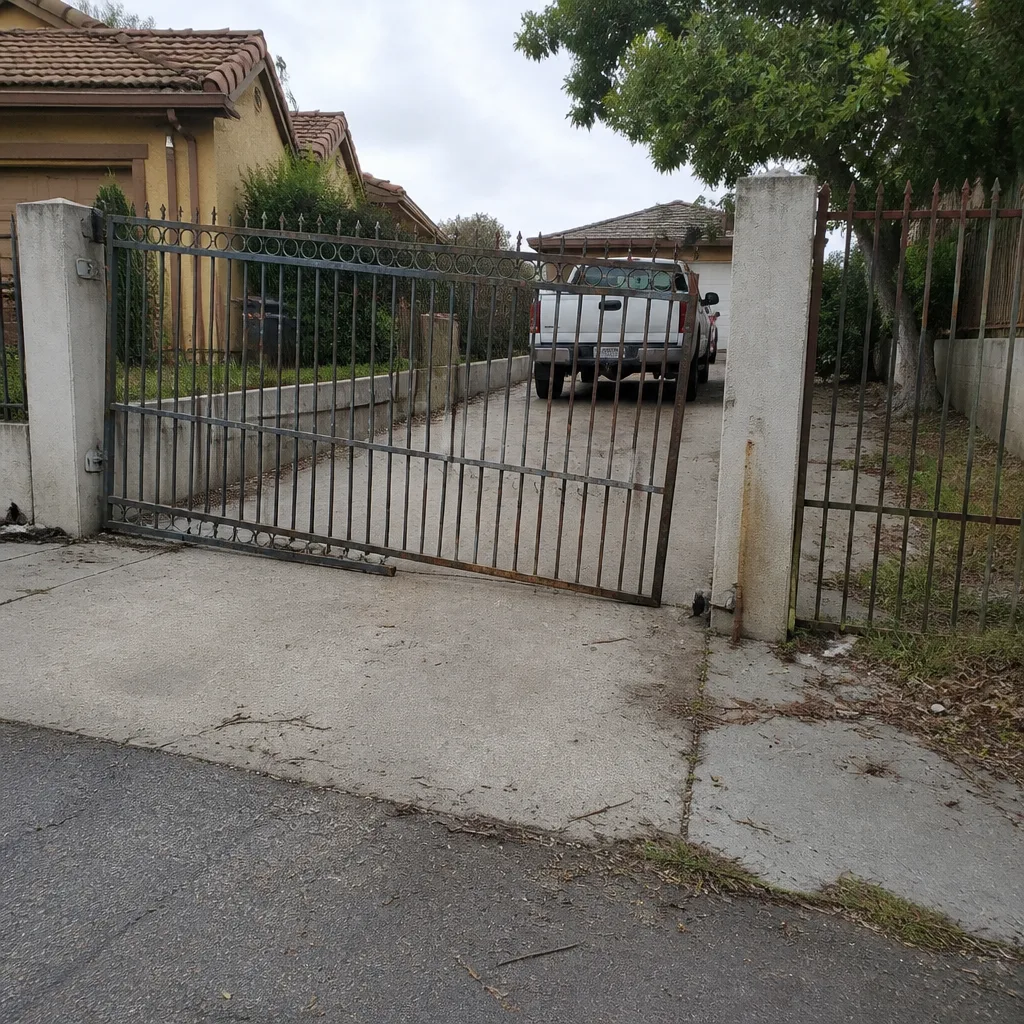 Before
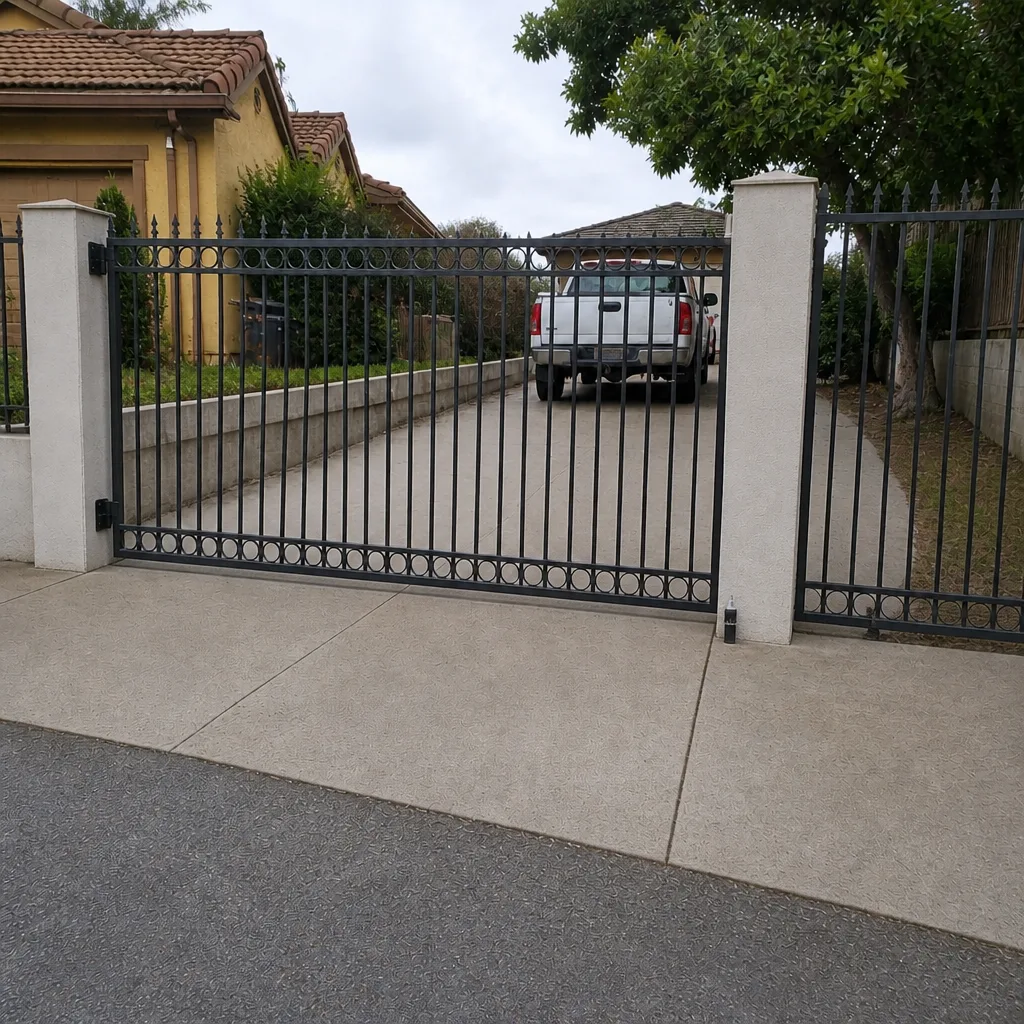 After
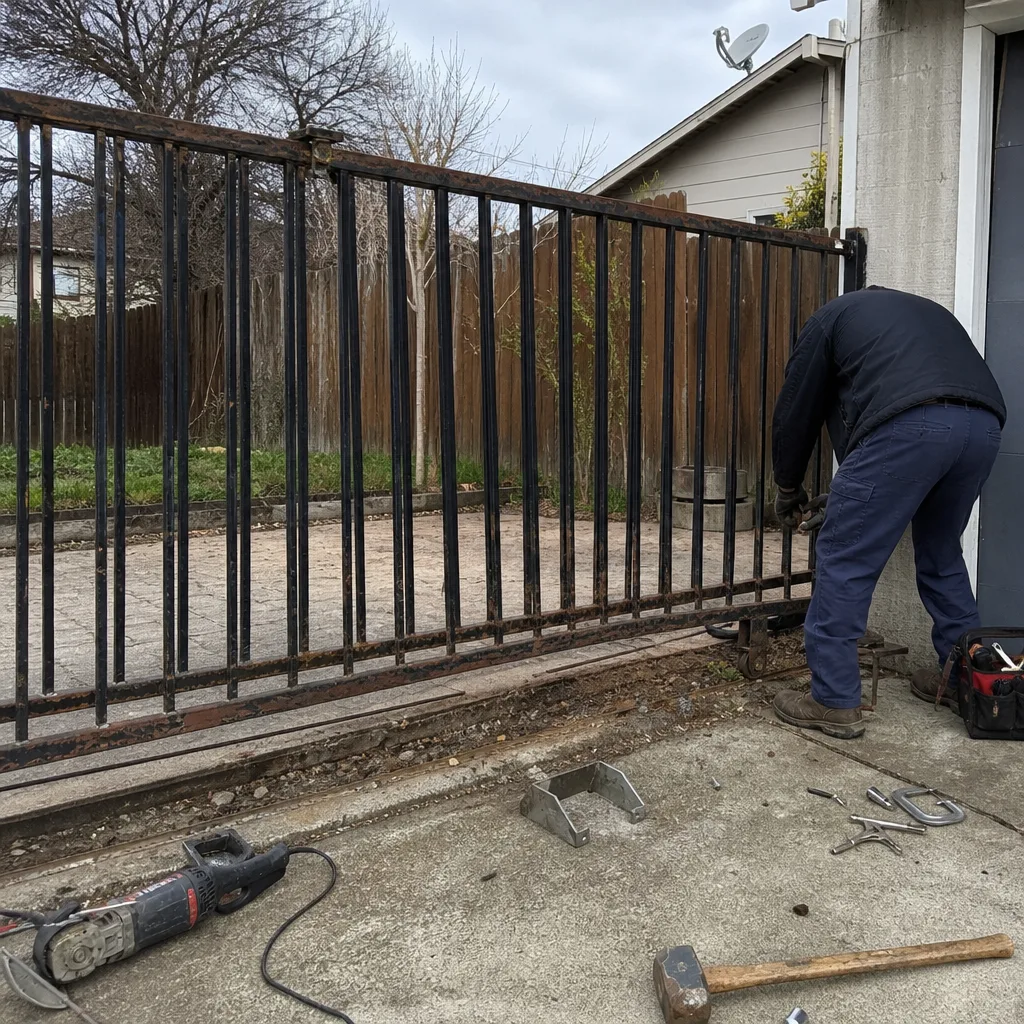 Before
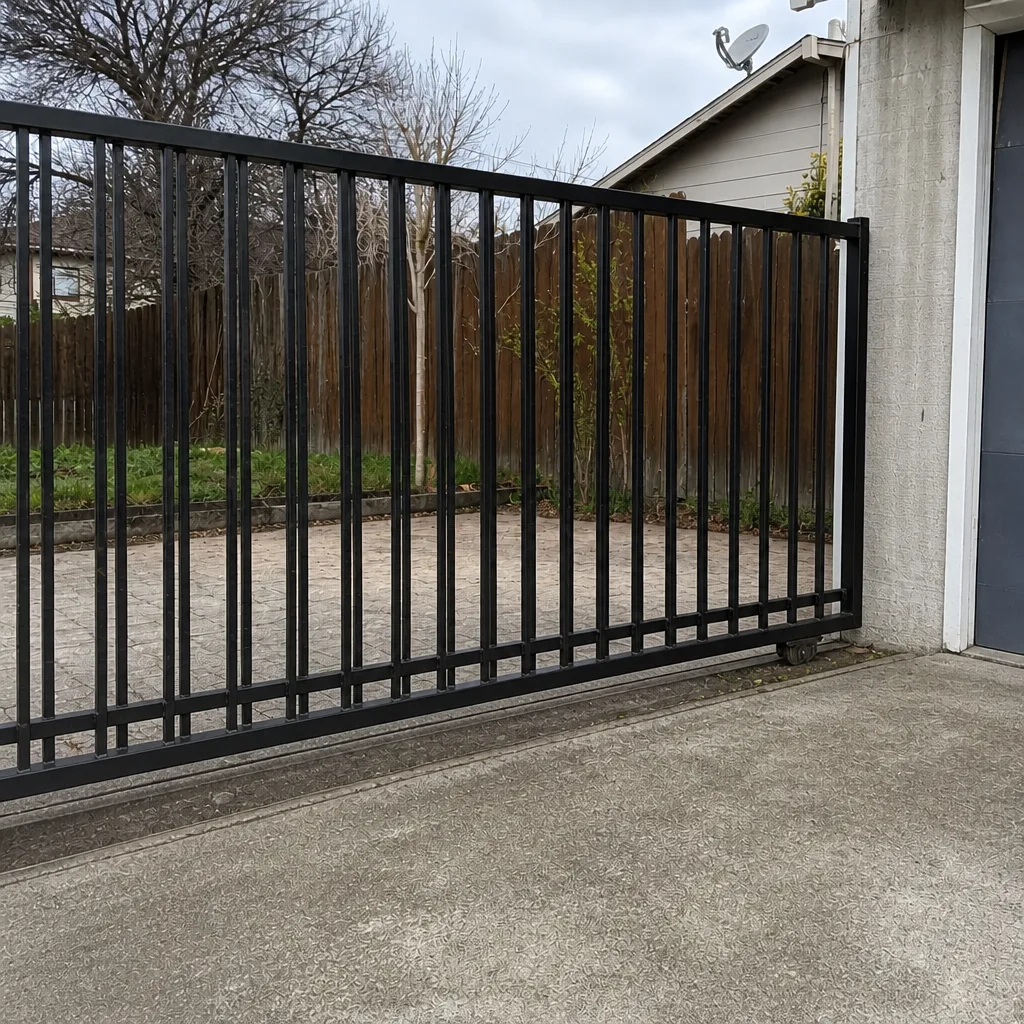 After
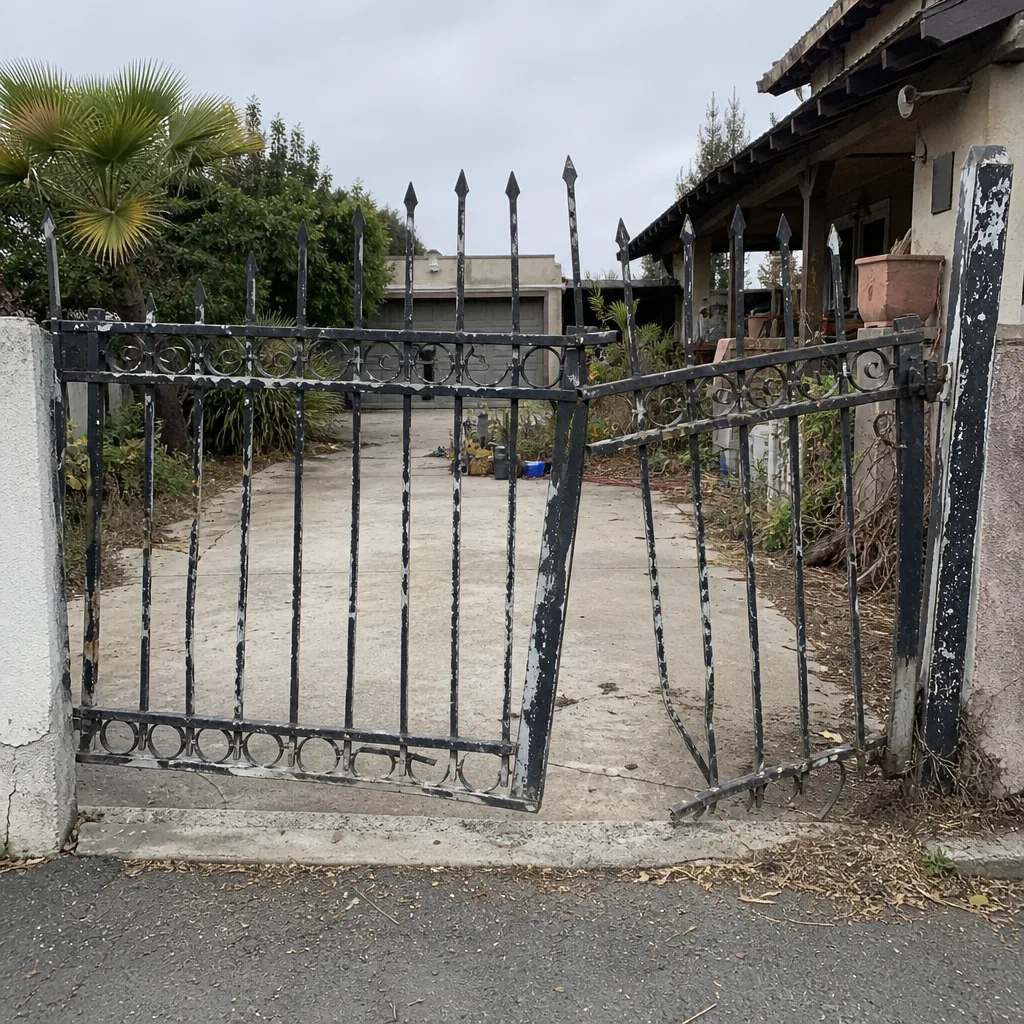 Before
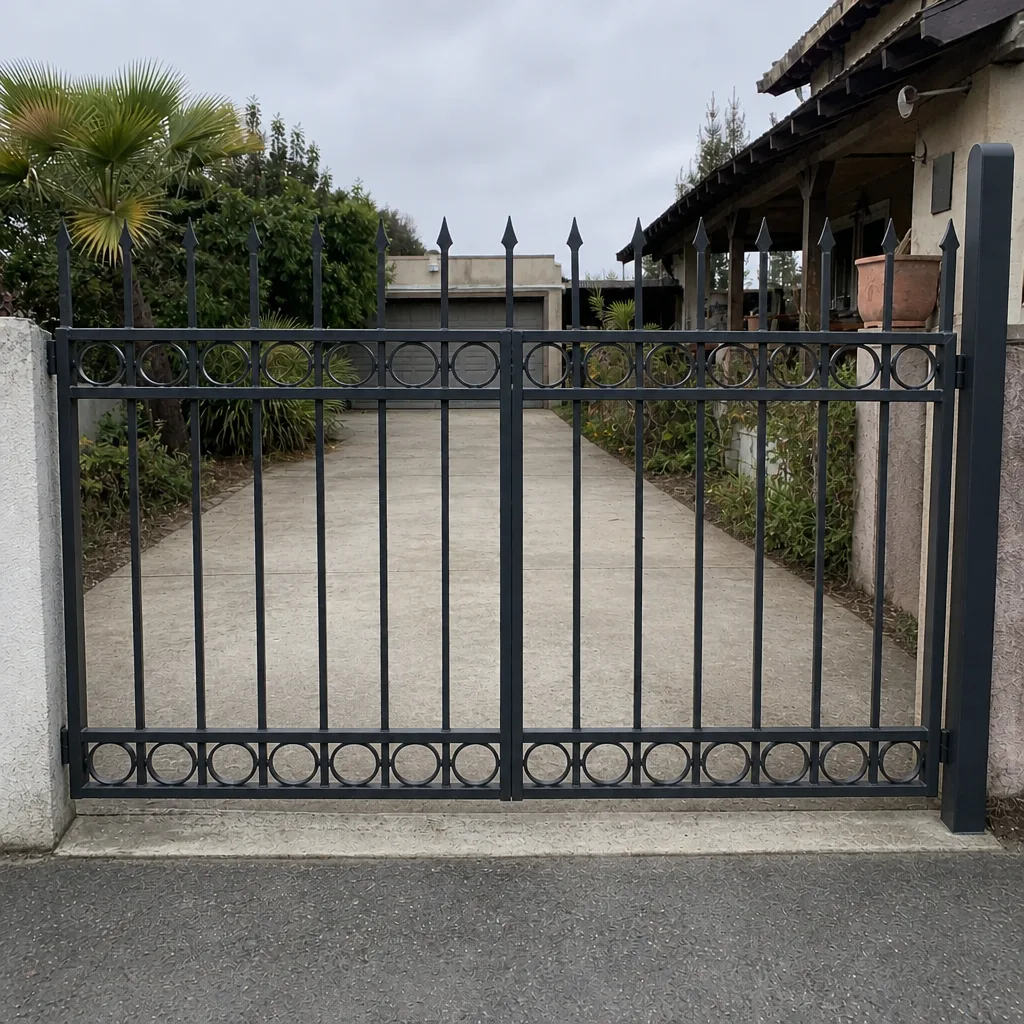 After
When to Call a Professional
Call a professional when the gate won’t move by hand, when anything inside the control box or power supply needs attention, when a limit or sensor adjustment doesn’t hold, or when an intermittent failure keeps returning. Also call if the gate reverses unpredictably, if a hinge or track is damaged, or if the gate moves under manual force but not under motor power. Those are the cases where a trained technician saves time and prevents injury. Gate Repair Antioch offers free estimates in Antioch. Call (855) 799-8573. We answer 24/7. Fast dispatch from 7am to 7pm, Sunday through Friday. The price is quoted and agreed before any work starts, so there’s no surprise when the invoice arrives.
Frequently Asked Questions
Your gate is almost certainly detecting an obstruction through its safety eyes or edge sensor. Misaligned, dirty, or blocked sensors trigger the reversal logic as a safety feature. Wipe the lenses, check alignment, clear the path, and test again. If it still reverses, call (855) 799-8573 for a free estimate.
Gate repair is priced per job by a written estimate, so the number depends on the fault and the parts involved. A sensor realignment or a loose connection is a different job than a control-board replacement, and we quote it before any work begins. Call (855) 799-8573 for an exact quote. Estimates are free.
We answer 24/7 and dispatch fast from 7am to 7pm, Sunday through Friday, and same-day service is often available. A call outside dispatch hours is booked into the next opening, Sunday through Friday, 7am to 7pm. Call (855) 799-8573 to get on the schedule.
Intermittent failures almost always come from a wiring or connection fault, not a failing motor. Loose terminals, corroded splices, and flex points that break strands inside the insulation cause a gate to work, then fail, then work again. Describe the pattern precisely when you call so the technician knows where to look first. Call (855) 799-8573.
Yes, we work on the brand you already have, including LiftMaster, FAAC, BFT, Linear, Viking, Ghost Controls, DoorKing, Elite, and Mighty Mule. We’re independent and experienced with these systems, and we don’t push you toward a single operator ecosystem. Call (855) 799-8573 to confirm your model.
You can safely wipe the sensor lenses, check that the two eyes are aimed at each other, and clear debris from the path. Anything inside the control box, any rewiring, or any limit adjustment on a live operator should be handled by a trained technician. When in doubt, call (855) 799-8573.
The Bottom Line
Most gate failures in Antioch fall into one of five categories, and matching your symptom to the right category is the fastest path to a fix. A reversing gate is usually an obstruction-sensor problem. A silent gate is usually power. An unpredictable gate is usually wiring. The checks you can do safely, like wiping sensors and confirming the breaker, catch more than you’d think. The rest need a technician, especially anything involving line voltage or moving parts under load. Our technicians have up to 11 years of experience across the major gate brands, and we diagnose before we fix. Call (855) 799-8573 for a free estimate.
Written by the team at Gate Repair Antioch.