
Last updated November 16, 2026
 Wrought iron
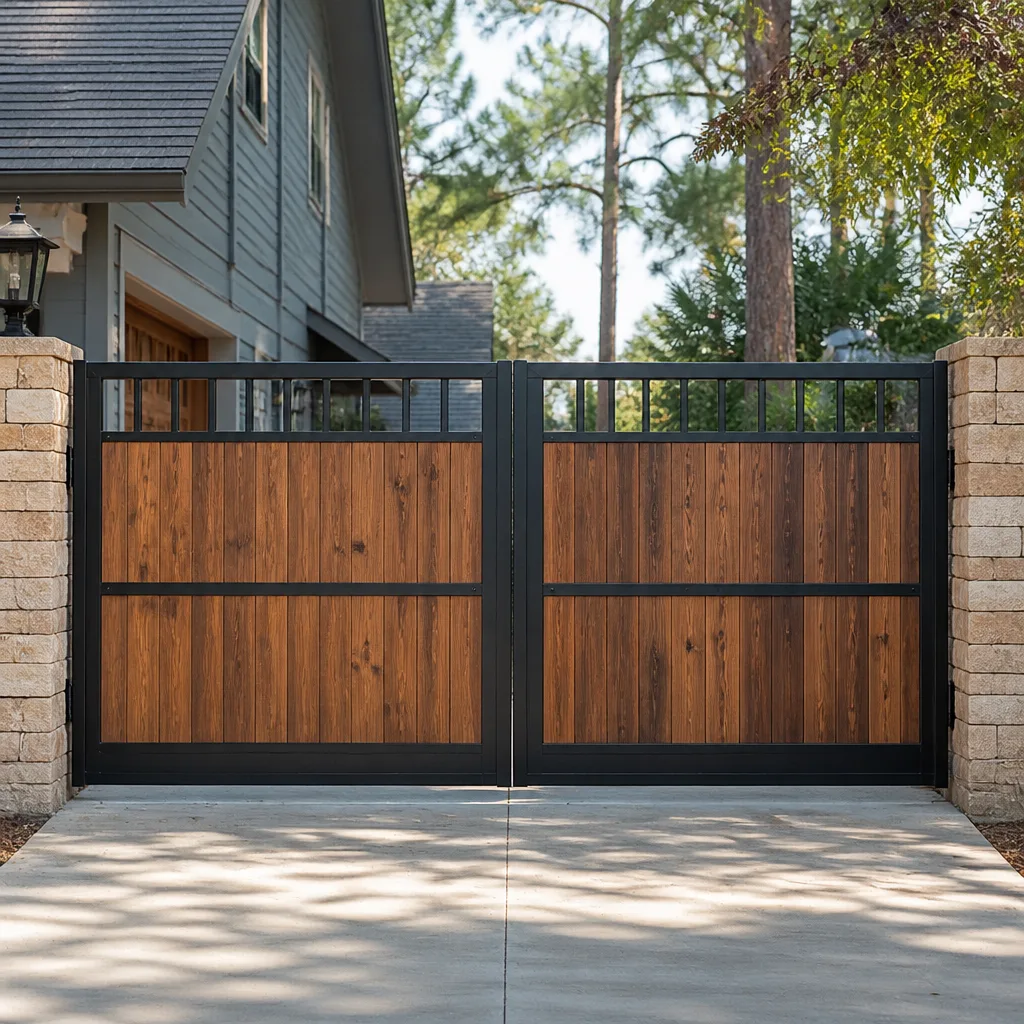 Wood & steel frame
 Farm & ranch
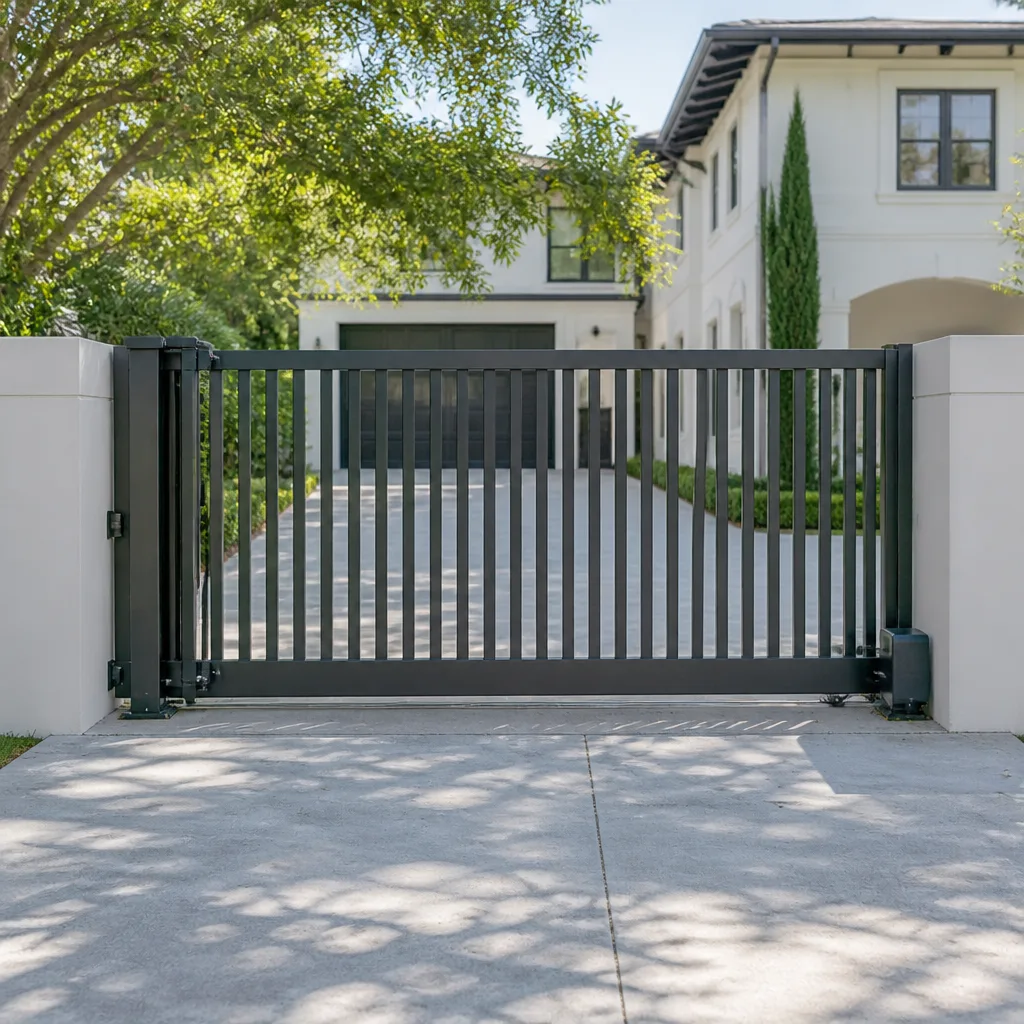 Sliding driveway gates
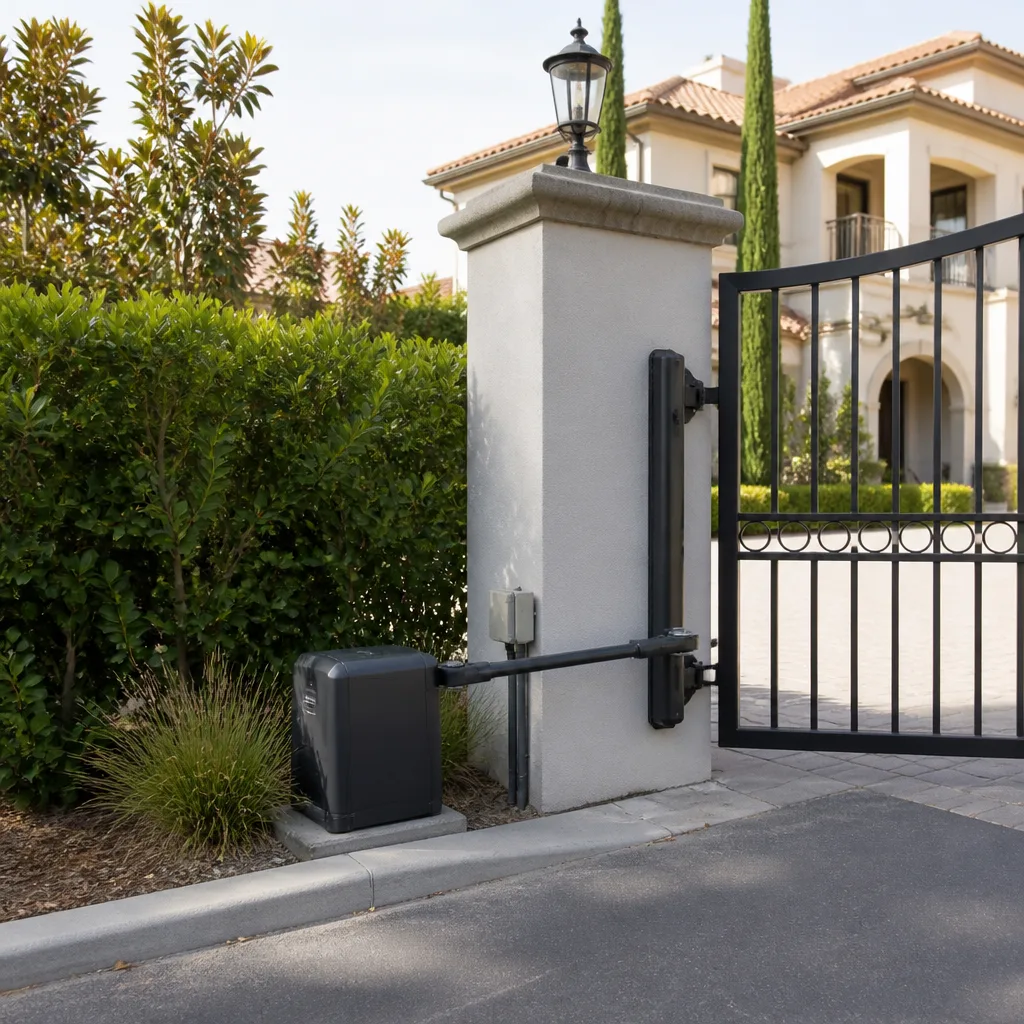 LiftMaster operators
Free on-site gate assessment - hinges, posts, and your LiftMaster or Nice gate operator checked before anything is quoted
The assessment is free and the quote is the invoice.
Get your free estimateGate Repair Emergency Preparedness Guide for Antioch Homes
Most gate emergencies aren’t mechanical failures at all. They’re knowledge gaps. During Antioch’s last major PG&E PSPS event, the calls that tied up the phone line weren’t mainly “my gate won’t open.” They were “my gate won’t open and I don’t know where the manual release is.” That’s a ten-second answer turning into a two-hour wait for a technician who has to drive out and pull a handle you could have pulled yourself. This guide fixes that. By the end you’ll know where your release is, how to test your battery backup, what to tell us when you call, and how to read an emergency quote on the spot so nobody takes advantage of a stressful night.
Quick Answer
If your electric gate stops working, the first move is always the manual release: swing gates use a keyed release that disengages the operator arm, sliding gates use a clutch or chain-override lever that lets the gate roll free. Know that location and how it works before you need it, confirm your battery backup has a recent test, and have a gate repair company’s number saved. Everything else in this guide is detail layered on those three steps, and the detail is what turns a two-hour wait into a phone call that ends with a working gate.
Styles & brands we work with
- Wrought iron
- Wood & steel frame
- Farm & ranch
- Sliding driveway gates
- LiftMaster operators
Table of Contents
- How do you find and use the manual release on an Antioch gate?
- How do you test your gate’s battery backup right now?
- What should you do when a gate is stuck open?
- What information does a technician need on an emergency call?
- How do you evaluate an emergency repair quote on the spot?
- How do you prepare an Antioch gate for a PSPS shutoff?
- Which gate operators are common in Antioch, and does brand matter?
- What routine checks keep a gate out of emergency territory?
How do you find and use the manual release on an Antioch gate?
Every automated gate has a manual release, and most homeowners have never touched theirs. The release is the mechanism that disconnects the operator from the gate leaf so you can move the gate by hand. On a swing gate the release is usually a keyed lever or a pull cord near the operator arm; on a sliding gate it’s typically a clutch lever on the motor housing or a chain-override loop that lets the gate roll along its track. The two work differently, and mixing them up is the most common reason a homeowner thinks their gate is locked when it’s actually just engaged.
Here’s how to go about locating and testing it, calmly, on a day when nothing is broken:
- Identify your operator. The label is on the motor housing or the control box, and the brand matters. LiftMaster, FAAC, BFT, Linear, Viking, Ghost Controls, DoorKing, Elite, and Mighty Mule all place their releases differently. Note the brand and model.
- Locate the release. On a swing gate look for a keyed cylinder or a cord near the arm mount. On a sliding gate look for a lever or a small chain loop near the motor. It’s often behind a cover plate.
- Find the key. If your release is keyed, the key is usually zip-tied to the operator housing or kept in a lockbox. If it isn’t there, get a spare made.
- Test the release with the gate powered off or the operator disengaged, moving the gate leaf by hand slowly. It should move freely. If it doesn’t, the track, hinges, or rollers need attention before the release is useful.
- Re-engage the release. This is the step most people skip. When power returns, the operator needs to reconnect, and on some brands that means a specific lever position or a reset on the control board.
A swing gate release under load can snap back with real force, and a sliding gate that comes off its track is a crush hazard. Test with the gate clear of people and vehicles, and never stand in the travel path while releasing. If anything about the release feels wrong, that’s a job for a trained technician rather than a trial-and-error evening.
How do you test your gate’s battery backup right now?
Battery backup is the single most useful feature on an automated gate in Antioch, and the single most neglected. A healthy backup typically carries the operator through a set number of open-close cycles during an outage, often in the range of a dozen or more depending on the brand and battery condition. When the backup is weak, the gate may open once and then refuse to close, which is exactly the failure homeowners describe during a PSPS event.
Testing yours takes about five minutes and doesn’t require tools:
- Find the battery. It’s usually a sealed lead-acid or gel cell inside the operator housing or the control box, wired with two terminals. Note the brand and voltage on the label.
- Cut power at the breaker or the operator switch and watch what happens. If the gate still cycles, the backup is working. If it doesn’t move, the battery is dead or disconnected.
- Count the cycles. Open and close the gate a few times on battery alone. If it dies after one or two cycles, the battery is on its way out.
- Check the date on the battery. Lead-acid gate batteries degrade with age and heat, and Antioch’s warm summers shorten that life. A battery that’s several summers old is a candidate for replacement even if it tests okay today.
- Restore power and confirm the operator recharges and re-engages.
If your operator is a DoorKing or a LiftMaster, the control board often reports battery status through an indicator light or a diagnostic readout. Check the manual for the code, because a board that reports “low battery” is warning you weeks before the gate fails.
What should you do when a gate is stuck open?
An open gate is a security problem and, at a residence, a household safety problem. The first priority is not fixing the gate. It’s closing the gap. If you can safely release the operator and walk the gate closed by hand, do that, then lock or prop it. If the gate is too heavy or the release won’t cooperate, here are the steps we recommend until a technician arrives:
- Block the opening with a vehicle if you can, positioned so the vehicle can be moved quickly in an emergency.
- Lock any doors or gates that the open gate normally protects, and keep pets and small children inside.
- If it’s dark, put on exterior lighting or arrange for a neighbor to keep an eye on the property.
- Note what the operator did just before it failed: did it stop mid-travel, reverse, beep, or blow a breaker? That detail shortens the repair.
- Call (855) 799-8573. We answer 24/7, and fast dispatch runs from 7am to 7pm, Sunday through Friday.
If your gate is stuck open because a vehicle struck it or a panel is bent, don’t try to cycle the operator. A bent arm or a broken roller under motor load turns a mechanical repair into a control-board replacement. Leave it where it is and have it looked at.
What information does a technician need on an emergency call?
The difference between a two-hour visit and a thirty-minute one is usually the quality of the information you give on the phone. We can’t diagnose a gate we can’t see, but we can arrive with the right parts and the right expectation if you tell us five things:
- The operator brand and model if you can read it. LiftMaster, FAAC, BFT, Linear, Viking, Ghost Controls, DoorKing, Elite, and Mighty Mule each have their own failure patterns and control boards.
- Gate type: swing or sliding, single or double leaf, and roughly how wide.
- What it’s doing: won’t open, won’t close, opens partway and reverses, moves slowly, is making a new noise, or the control board has an indicator flashing.
- Power status: is the operator getting power? Has a breaker tripped? Is the battery backup light on?
- Access details: how the technician gets in, whether the driveway is sloped, whether the gate is shared with a neighbor, and whether you’ll be on site.
If you have a manual release key and can move the gate by hand, tell us that too. It tells us the mechanical side is probably healthy and points the diagnosis toward the operator or control board. If you can’t move it by hand, we’re likely looking at a mechanical problem first. Either way, one call covers it: our technicians work on the brand you already have, and we don’t send a customer to a different contractor because the operator is unfamiliar.
How do you evaluate an emergency repair quote on the spot?
A fair emergency quote lines up with the same price the job would carry on a normal day, plus a clearly explained reason for any difference. A quote that’s suddenly double the normal range, or that arrives before anybody has looked at the gate, is a reason to slow down. Here’s how to read one in the moment:
- Ask what’s being fixed. A quote should name the part and the labor, not just a total. “Motor,” “control board,” “loop detector,” “safety sensor,” “hinge,” “roller,” “arm.” Vague line items are a warning.
- Ask whether the price is the same as a scheduled repair. If the answer is “this is what it costs whenever we’re out on this job,” that’s a healthy answer. If the answer is “this is the emergency price,” ask what the scheduled price would be and let that guide you.
- Get it in writing before work starts. Our estimates are free, and we quote and agree the price before any work begins. That’s the standard, and it’s a reasonable thing to require of anyone.
- Beware the estimate-only call. A technician who hasn’t opened the control box yet and is already quoting a motor replacement is guessing. Diagnose first, then fix.
- Ask about the safety edges. If the operator controls safety sensors or photo-eyes, the quote should address them, because a gate that closes on a child is a much worse outcome than a gate that stays open.
- Keep the paperwork. Even for a small repair, a written invoice with parts and labor protects you.
During a stressful night the temptation is to take the first number that will get the gate working. It’s the moment to read carefully. Call (855) 799-8573 for a free estimate and a straightforward answer.
How do you prepare an Antioch gate for a PSPS shutoff?
Public Safety Power Shutoffs are part of life in Antioch, and a gate is one of the first things a household notices when the power goes out. Preparation is straightforward and takes an afternoon:
- Test the battery backup as described above, and replace the battery if it’s more than a few summers old.
- Confirm the manual release works and that the key is accessible.
- Keep a flashlight near the gate’s release location, plus the operator manual.
- If the gate is also a driveway entry for emergency vehicles, know in advance which side of the gate you’d want it parked if it can’t close.
- Write our number on the inside of the control box or the wall of the garage. (855) 799-8573. We answer 24/7.
If you’ve already lost power and the gate won’t cycle on battery, call. We answer 24/7, and we run fast dispatch from 7am to 7pm, Sunday through Friday. A call outside dispatch hours is booked into the next opening.
Which gate operators are common in Antioch, and does brand matter?
Antioch’s residential gates are a mix. LiftMaster and Linear show up on a lot of driveway swings, Ghost Controls and Mighty Mule on DIY-installed or light-commercial systems, DoorKing on gates serving HOAs and gated communities, and FAAC, BFT, Viking, and Elite on higher-end or older installations. The brand matters less than what the brand tells us. Each operator has its own release mechanism, its own battery behavior, and its own control-board diagnostics, and knowing them shortens the repair. That’s why we work on the brand you already have across all nine of those, rather than pushing you toward one ecosystem.
When you’re planning new gate installation rather than a repair, the same principle applies. The right operator depends on gate weight, width, slope, cycle count, and how often you’ll want the gate to open and close. A single-leaf driveway gate and a shared double gate serving an HOA courtyard need different systems, and the mechanical side and the automation side should be designed together. One call covers it, which beats coordinating a welder and an operator installer on your own schedule.
What routine checks keep a gate out of emergency territory?
Most gate emergencies are the end of a decline that started weeks earlier. A quick walk-around once a month catches most of them:
- Listen to the gate cycle. Grinding, clicking, or a new whine from the motor is a warning sign.
- Check the gate leaf travel by hand with the operator disengaged. Any binding, rubbing, or wobble points to hinges, rollers, or track wear.
- Test the safety edges by walking through the gate’s path while it closes. It should stop or reverse.
- Look at the control box. Indicator lights, loose conduit, or a tripped breaker are all easy to spot and cheaper to fix early.
- Test the battery backup at the start of each warm season.
- Keep the track clear of dirt, leaves, and debris. Antioch’s dry summers and windy stretches drop plenty of both onto outdoor track.
If any of these checks turn up something that doesn’t look right, that’s the moment to call for electric gate repair rather than wait for the operator to fail closed.
Common Mistakes to Avoid
- Never testing the manual release until you need it. The release is only useful if you know where it is. Put a ten-minute test on a calendar and do it once.
- Ignoring a “low battery” indicator. A battery that reports weak is weeks from failing, and the failure typically lands during the outage you were counting on it for.
- Forcing a stuck gate by hand while the operator is engaged. Pushing against the motor loads the gearbox and can turn a release problem into a motor replacement.
- Cycling a gate with a bent arm or broken roller. Running a bent mechanism under power bends the next part in the chain.
- Disconnecting the safety edges because they’re “annoying.” Photo-eyes and safety sensors exist to prevent a crush injury, and disabling them is the single most dangerous shortcut on an automatic gate.
- Calling the wrong trade. A welder can fix hinges but can’t read a control board, and an electrician can trace power but won’t know your operator’s faults. The right call for a gate is gate repair, in Antioch or anywhere nearby, from someone who does both.
- Letting an unfamiliar brand stall the job. If a contractor says “we don’t work on that brand,” the call goes to someone who does. That shouldn’t happen.
See the difference
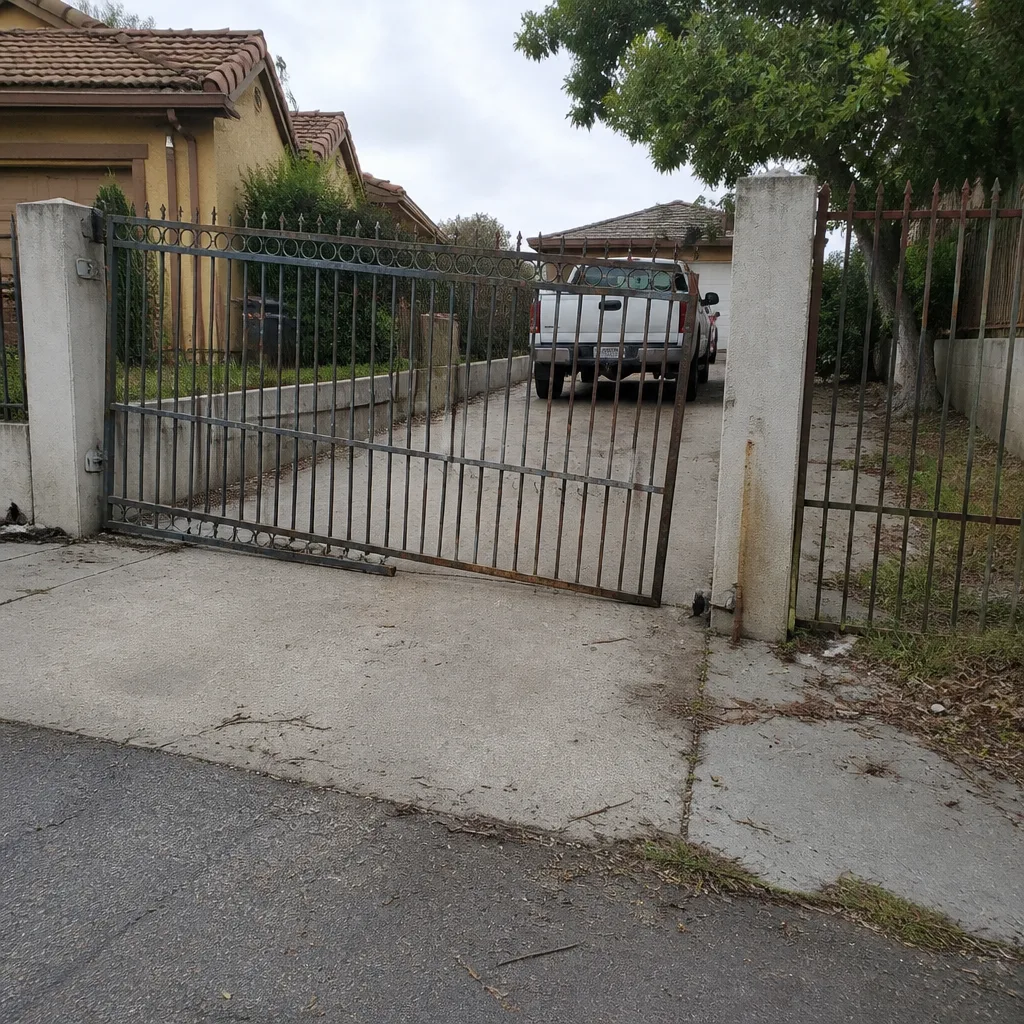 Before
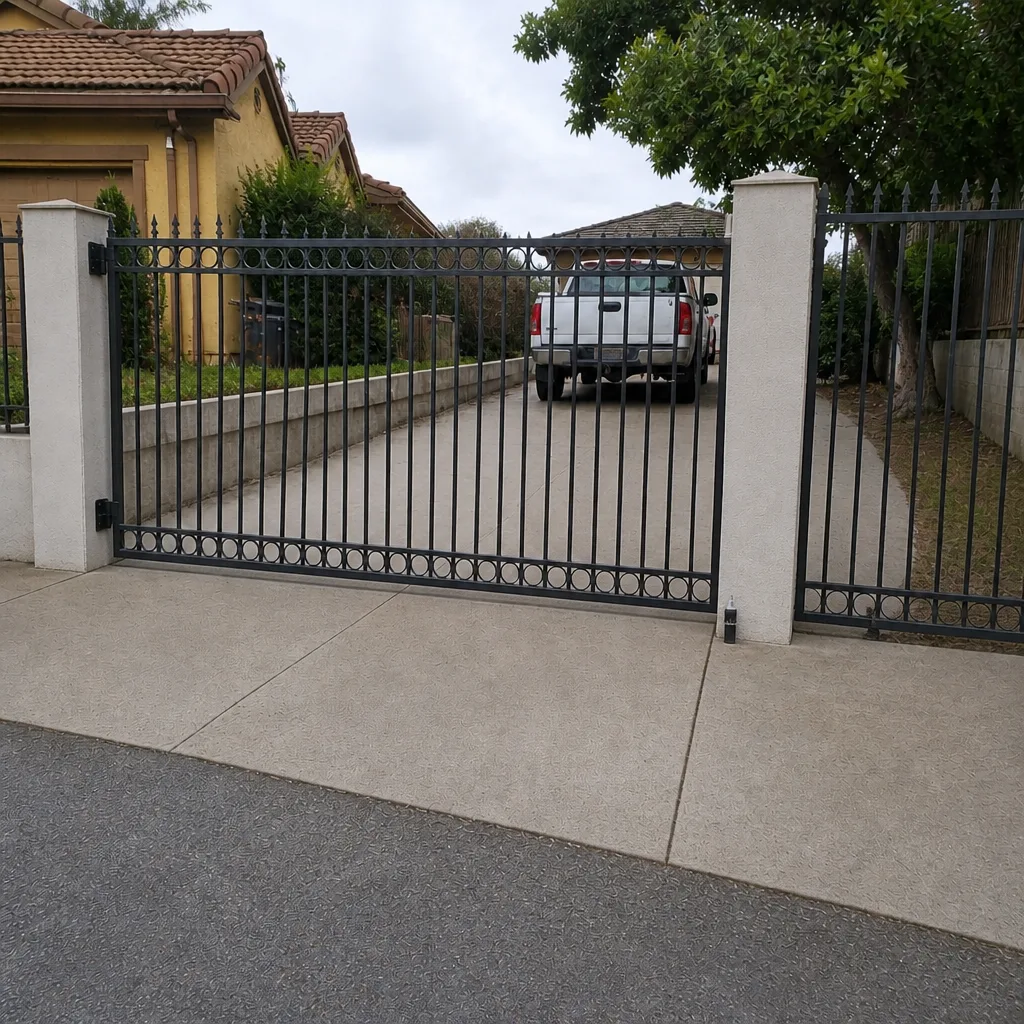 After
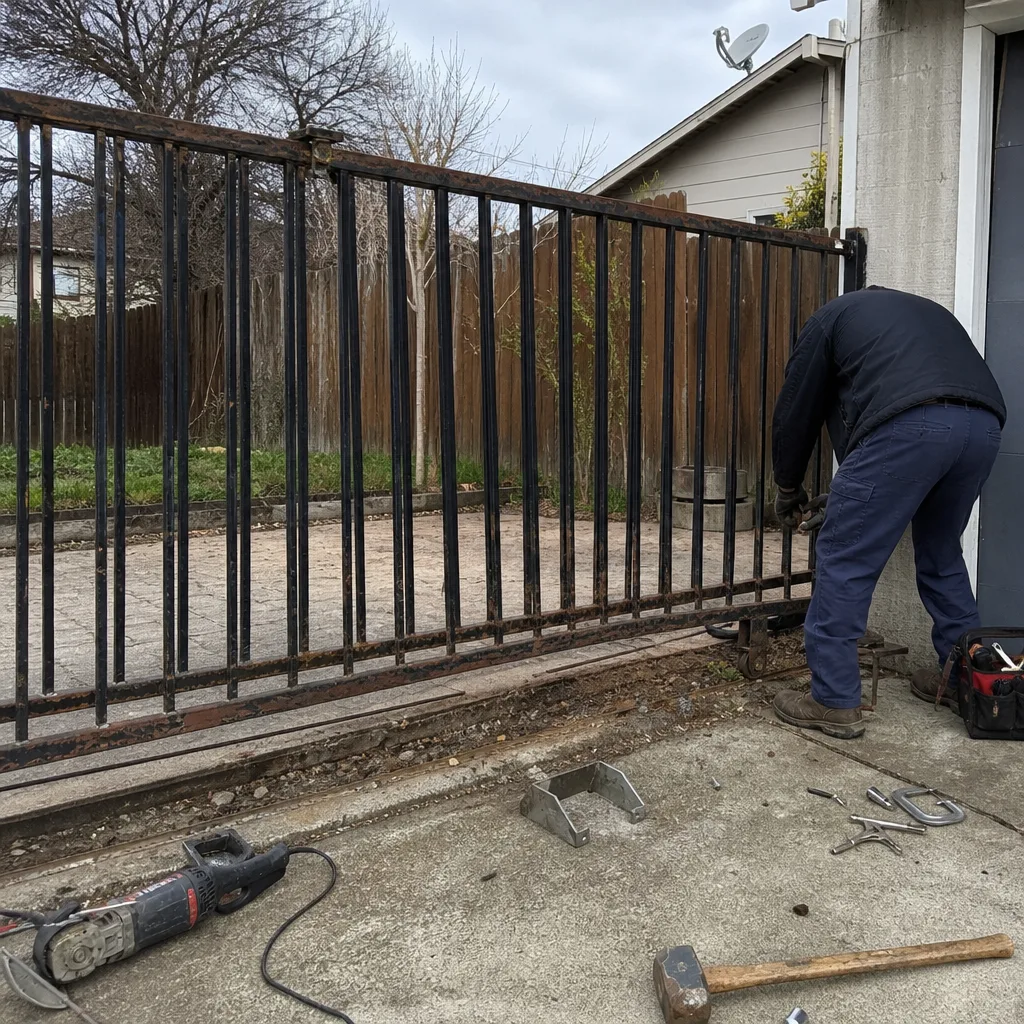 Before
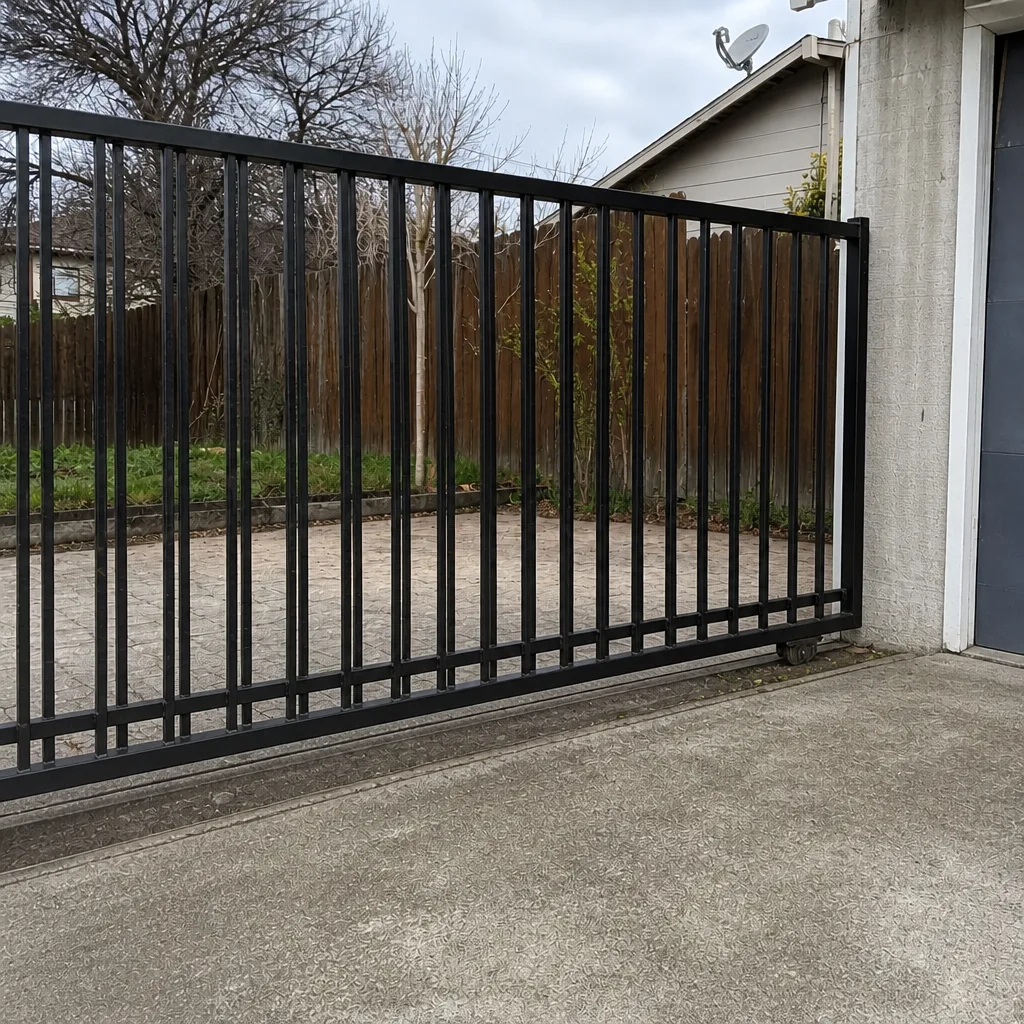 After
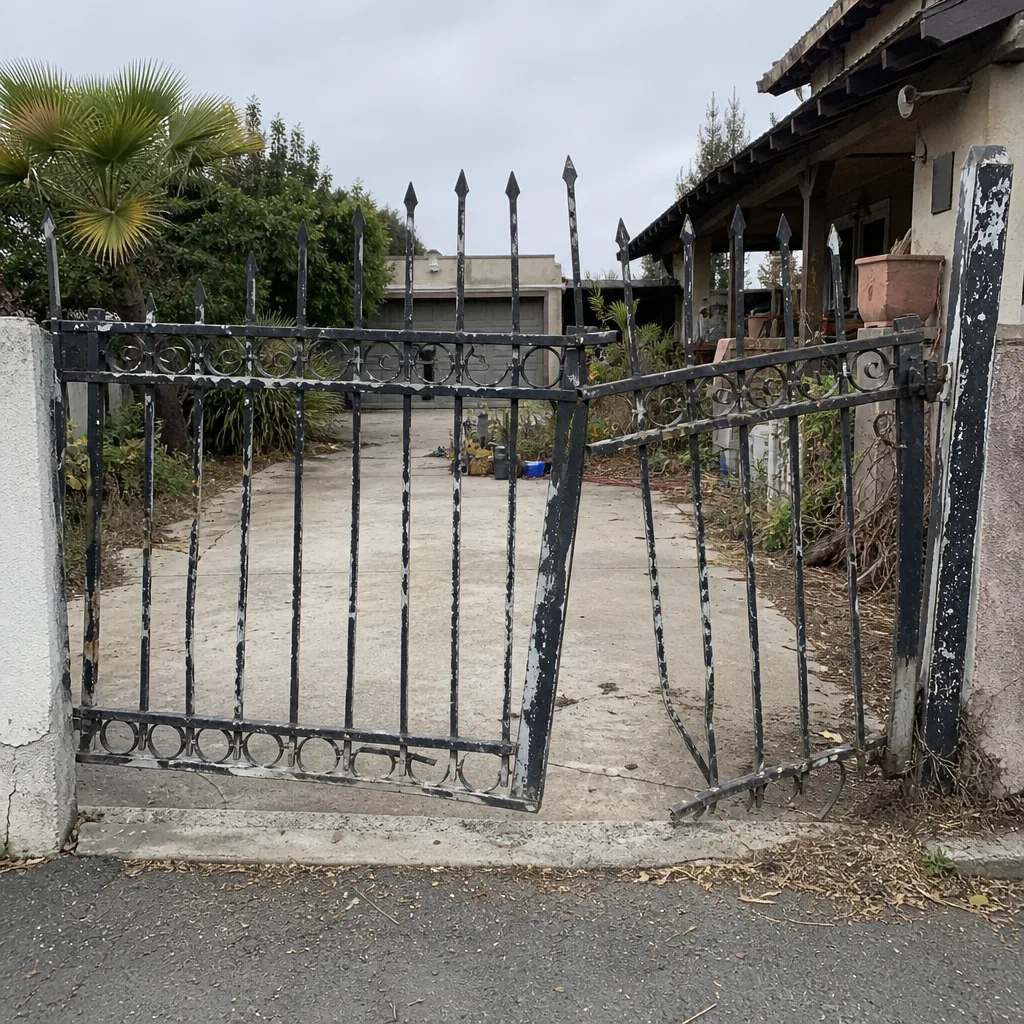 Before
 After
When to Call a Professional
Call for a professional when the manual release won’t move the gate, when the operator has power but does nothing, when the gate reverses mid-travel, when a control-board indicator is flashing a fault code, when the safety edges test wrong, or when a sliding gate has come off its track. Also call if a vehicle has hit the gate or if the gate is stuck open at a residence and you can’t safely close it by hand. Those are onsite jobs. We work on LiftMaster, FAAC, BFT, Linear, Viking, Ghost Controls, DoorKing, Elite, and Mighty Mule systems, and we diagnose before we fix. Gate Repair Antioch offers free estimates in Antioch: call (855) 799-8573. We answer 24/7, with fast dispatch from 7am to 7pm, Sunday through Friday.
Frequently Asked Questions
Locate and operate the manual release, then call a gate repair company with the brand and model of the operator. Opening the gate by hand confirms whether the mechanical side of the gate is healthy and gives a technician a head start on the diagnosis. If you can’t find the release, check the operator housing, the key zip-tied to the arm, or the control-box lid.
Yes, if your operator supports it, and most modern ones do. Battery backup keeps the gate cycling through a PSPS outage, which in Antioch means a security gate isn’t sitting open for the duration of the shutoff. Test it before each warm season and replace the battery when it stops carrying the gate for more than a cycle or two.
Same-day dispatch is often possible when you call early in the day. We answer 24/7 and fast dispatch runs from 7am to 7pm, Sunday through Friday. A call outside those hours is booked into the next opening. Call (855) 799-8573 for the current schedule.
Very likely, yes. We work on LiftMaster, FAAC, BFT, Linear, Viking, Ghost Controls, DoorKing, Elite, and Mighty Mule systems, and we don’t require you to switch brands to get service. If the operator isn’t on that list, call anyway: we diagnose what the gate actually needs.
Not by default, and any difference should be explained clearly before work starts. Our estimates are free, and we quote and agree on the price before any work begins. If a quote arrives before anybody has looked at the gate, or the number is double what a scheduled repair would cost, ask why.
Start with a company that covers both manual and automated systems under one roof, because most gate problems touch both. Ask whether they diagnose before quoting, whether they work on your brand, and whether the estimate is written and free. If all three answers are yes, that’s the call. Reach us at (855) 799-8573 and we’ll get you scheduled, or you can start with our Antioch page. If you’re outside the immediate area, we can still point you in the right direction.
The Bottom Line
A gate emergency in Antioch is a knowledge problem before it’s a repair problem. Know your release, know your battery backup state, and know who to call before the power goes out. Save (855) 799-8573 and put it inside the control box lid. Test the release once, test the battery each spring, and watch the gate cycle once a month. When a repair is needed, ask for a written quote before the technician starts, and confirm the price the same way you would on a normal day. Diagnose first, then fix; one call covers it; and if it’s after dark, we still answer. The gate goes back in service, and you’re not waiting two hours for a ten-second fix. Visit Gate Repair Antioch to see all the services we cover.
Written by the team at Gate Repair Antioch.